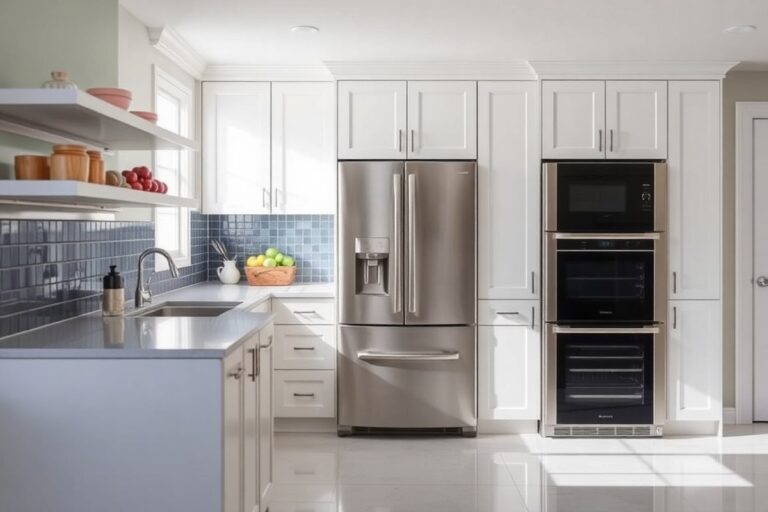
Benefits of a Gas Double Wall Oven: What Actually Works and Saves Time
Benefits of a gas double wall oven include faster heat-up times, precise temperature control, and the ability to cook multiple dishes at once efficiently. This appliance suits homeowners who want to save time and improve cooking flexibility in their kitchen.
You’ll learn how gas double wall ovens compare to electric models, what size and installation considerations matter, and how to get the most out of this cooking solution. Expect practical insights that help you decide if a gas double wall oven matches your kitchen needs and lifestyle.
Key Takeaways
- Gas double wall ovens heat up quickly and maintain stable temperatures for consistent cooking results.
- Choosing a double wall oven allows cooking different dishes simultaneously at varied temperatures.
- Most models range from 24 to 30 inches wide with 5 to 10 cubic feet of total cooking space.
- Installation requires a 50 to 53 inch height space to fit both oven compartments properly.
- Gas ovens usually last about 15 years, offering strong longevity compared to electric options.
- Double wall ovens often offer better cooking versatility than double-oven ranges despite similar width requirements.
Why Choose a Gas Double Wall Oven for Your Kitchen
Gas double wall ovens offer key benefits that make them an excellent choice for serious home cooks and busy kitchens. One major advantage is the ability to cook multiple dishes at different temperatures simultaneously. Because these ovens have two independent compartments, you can roast in one chamber at 350°F while baking in the other at 400°F, saving time and expanding your meal options. This flexibility supports a wide range of cooking styles, from slow braises to quick broiling, without flavor transfer between dishes.
Heat distribution in gas ovens creates a moist cooking environment, which can help keep foods tender and prevent drying out. Gas ovens respond instantly to temperature adjustments, so you can quickly control heat levels during cooking. This rapid response is useful when recipes demand immediate temperature changes, such as searing meats or proofing bread. However, even heat can be less consistent in gas ovens compared to electric models, so using an oven thermometer and occasionally rotating trays can improve results.
Operating costs for gas double wall ovens often come in lower than electric versions. Natural gas prices tend to be cheaper per use hour, which helps reduce your monthly energy bills, especially with frequent or large-batch cooking. In addition, gas ovens typically require less electricity, making them more energy efficient in the long term. Installation costs vary based on your home’s fuel setup, but a properly connected gas oven offsets investment through these energy savings.
Another unique benefit comes from the potential to customize the oven setup. Double wall ovens may come as combination units with features like microwave or steam cooking integrated into one design. This adds cooking versatility without needing extra counter space or appliances. For homes with a gas line already installed, adding a gas double wall oven can bring traditional cooking performance while maximizing kitchen layout efficiency.
Choosing a gas double wall oven means balancing the advantages of fast heat control and cooking versatility against the need to manage heat distribution more carefully than with electric ovens. When you select a model with convection fans or advanced thermostatic controls, you can improve heat circulation and achieve reliable, even cooking outcomes. These ovens provide a broad cooking range and energy-efficient operation that can fit the needs of enthusiastic home cooks who value control and convenience in their kitchen appliances.
How Gas Double Wall Ovens Work Compared to Electric Models
Gas double wall ovens differ from electric models primarily in how they produce heat, affecting cooking style and performance. Gas ovens ignite burners using natural gas or propane, while electric ovens use electric heating elements. These differences influence how heat circulates, energy use, and cooking results.
Gas Oven Ignition and Heat Generation
Gas double wall ovens create heat by burning gas through burners located at the bottom or sides of each oven compartment. Ignition happens via an electric spark or pilot light, which lights the burner. This combustion generates infrared heat that warms the oven cavity.
Heat rises naturally inside a gas oven, which can cause hot spots, especially near the burner. To balance this, some models include convection fans or multiple burners to distribute heat more evenly. Typically, gas ovens reach temperatures of 200 to 550 degrees Fahrenheit, allowing a wide range of cooking methods such as baking, roasting, and broiling.
The practical benefit of gas heat generation is rapid temperature changes. Gas ovens usually heat up and cool down faster than electric ovens, which helps when you need to adjust cooking temperatures mid-recipe.
Convection in Gas Versus Electric Ovens
Both gas and electric double wall ovens can include convection features, which use a fan to circulate hot air evenly throughout the oven chamber. In electric ovens, the heat is generally more uniform because electric heating elements provide steady, consistent warmth from the top and bottom of the oven.
Gas convection ovens rely on the fan to offset the natural heat concentration near the burners. While convection fans in gas ovens help reduce uneven cooking areas, electric convection ovens tend to maintain more even heat distribution. This difference affects precise baking and roasting, as electric convection ovens frequently yield more reliable, consistent results.
Choose an electric convection double wall oven if you need highly consistent baking results, but gas convection ovens still offer good airflow that improves heat distribution compared to standard gas ovens.
Energy Efficiency and Operating Costs
Energy efficiency between gas and electric double wall ovens varies with how each uses power. Gas ovens consume natural gas or propane, which can be more cost-effective depending on local utility prices. They often heat faster, using energy only while the flame burns.
Electric ovens, especially newer models designed for energy efficiency, use less electricity by maintaining steady temperatures and sometimes incorporating smart controls and insulation improvements. Despite this, electric ovens may have higher operating costs over time in areas where electricity is expensive.
Initial purchase prices tend to be higher for electric double wall ovens in the same quality range, with basic electric convection double ovens starting around $1,000 to $2,000 and high-end models reaching $5,000 or more. Gas double wall ovens range roughly from $1,500 at the entry level to $7,000 for premium units. Lifespans are close, with gas ranges lasting about 15 years and electric wall ovens slightly less, near 13 years.
Common Sizes, Models, and Cooking Capacity of Gas Double Wall Ovens
Gas double wall ovens come in standard sizes with varying cooking capacities to suit both everyday meals and large dishes like turkeys. Their two separate compartments provide more overall cooking space than single ovens, allowing you to prepare multiple dishes at different temperatures. The sizes and models available ensure a good fit for typical kitchen layouts while accommodating bulky items.
Standard Widths and Height Requirements
Most gas double wall ovens have standard widths of 24, 27, and 30 inches. These dimensions help simplify installation in cabinetry designed for wall ovens but keep in mind that double wall ovens require more vertical space than single ovens. While single ovens typically need a cutout height of about 27 to 30 inches, double wall ovens are roughly twice as tall and cannot fit in a single oven cavity.
Since double wall ovens take more space in height, ensure your kitchen wall has enough clearance. This usually means planning for a wider and taller cabinet section compared to a single oven. Installation is slightly more complex because it requires a dedicated double oven wall space but still fits within standard kitchen design measurements.
Interior Cooking Space and Capacity
Double wall ovens generally offer between 5 and 10 cubic feet of total cooking capacity split between two separate oven compartments. This space is significantly more than what a single wall oven provides, which usually ranges between 2 and 5 cubic feet. Having two ovens lets you cook at different temperatures or times, improving efficiency and meal coordination.
Typical double wall ovens feature two equally sized compartments, but some models have one oven slightly larger than the other. This allows for flexible cooking setups depending on your needs. The increased capacity is especially useful for larger families or those who frequently entertain guests.
- Total capacity generally ranges from 5 to 10 cubic feet
- Compartments usually equal in size but can vary
- Split cooking zones for different temperatures and times
- Standard widths between 24 to 30 inches
- Vertical installation requires more wall space than single ovens
Choosing models with more interior space allows you to cook larger dishes or multiple items simultaneously, speeding up meal preparation. Some brands, such as Whirlpool and LG, provide options that balance capacity with cooking features aimed at multitasking kitchens.
Example Dishes and Size Limitations
Gas double wall ovens can easily accommodate large dishes like a 20-pound turkey in one compartment. Their spacious interiors are also suitable for bulky casseroles, multiple baking sheets, and roasts with multiple racks. These ovens work well for holiday meals or big family dinners where cooking volume matters.
Keep in mind that very large turkeys or oversized cookware might need to be cooked one at a time unless your ovens have extra-large capacity compartments. Steam ovens or speed ovens, often built into double oven setups, can have smaller interiors that limit their use for bulky items. Examples of what fits comfortably in a typical double wall oven include:
- 20-pound turkey or similar large roasts
- Multiple casserole dishes or sheet pans
- Baking racks stacked simultaneously
- Large holiday meal spreads requiring different cooking temps
- Bulk food prep for entertaining or meal prepping
Installation Requirements and Kitchen Space for Gas Double Wall Ovens
Installing a gas double wall oven requires careful planning for space, gas connection, and ventilation. These ovens are built-in appliances that need a precise cutout in your kitchen cabinetry, usually taking up twice the space of a single wall oven. Typical cutout dimensions vary by model, but a common size for a 30-inch double wall oven is around 28¾ inches wide by 40 to 42 inches high and 24 inches deep. Checking the specific model’s installation manual ensures the cutout measurements are correct for a proper fit.
Gas line installation is a key requirement. You need an existing gas supply near the oven site or must have a new gas line professionally installed. This work typically requires a licensed plumber or HVAC technician and can add $300 to $1,000 depending on complexity and local rates. Proper ventilation is another consideration; double wall ovens produce heat and moisture, so sufficient airflow is necessary to prevent overheating and damage to cabinetry.
Major kitchen remodeling often becomes necessary if the space isn’t planned for a double wall oven. Unlike ranges that combine cooktop and oven and can often fit existing floor spaces, double wall ovens need custom cabinetry cutouts. For kitchens without a current double oven or adequate cabinetry, expect to invest in carpentry work or refacing cabinets, which can increase the overall cost beyond the oven alone. However, if you have space and gas already plumbed, installation can be straightforward with a professional’s help.
- Measure your existing oven cutout or cabinet space carefully before purchasing
- Confirm gas line location and condition with a professional technician
- Ensure ventilation around the oven complies with manufacturer recommendations
- Compare cutout dimensions between models for a smooth fit
- Consider electrical outlet needs for the oven’s controls and lighting
- Plan for professional installation to meet safety codes and warranty requirements
- Budget for potential cabinetry modification or gas line work
Cost-wise, a single gas wall oven usually involves less installation work and expense than a double oven, which may demand cabinet changes and additional gas line adjustments. The upfront installation cost could overshadow the price difference between gas double wall ovens, such as a ZLINE 30″ professional model priced around $3,300. Getting a professional assessment before buying helps determine whether your kitchen can accommodate a double wall oven without extensive remodeling or if a simpler solution like a double-oven range is more suitable.
How to Maximize Cooking Versatility with a Gas Double Wall Oven
A gas double wall oven lets you cook multiple dishes at the same time, each at different temperatures and settings. This means you can avoid adjusting recipes to fit just one temperature, making meals come out better and saving you time. For example, roasting a main dish at 450°F while baking a dessert at 325°F saves hours of back-and-forth cooking.
Using Different Temperature Settings Simultaneously
Each compartment of a double wall oven is controlled independently, so you can set one oven to 375°F for something like lasagna while setting the other to 325°F for baking cookies. This separation helps prevent undercooked or overcooked dishes and makes meal prep easier because you aren’t forced to compromise on temperature or timing.
To start, preheat both ovens to the required temperatures before placing your dishes inside. Cooking times remain the same as if you used a single oven but running two temperature zones saves you the time of cooking dishes sequentially. This feature is a huge benefit when preparing holiday meals, large family dinners, or entertaining where multiple dishes need to be ready together.
Combining Convection with Traditional Bake
Many gas double wall ovens allow you to use convection in one compartment and traditional bake in the other. For example, you can roast a chicken with convection at 450°F to get crispy skin while baking a custard or delicate soufflé in the second oven at a lower temperature without convection. This combination lets you cook faster and more evenly when convection is needed, without risking texture issues on delicate items in the other oven.
Using convection for meats and roasting speeds up browning and caramelization. Meanwhile, the traditional bake setting is better suited for baked goods that need gentle heat, like cakes or bread. This dual setting approach lets you avoid sacrificing quality on any part of your meal.
Tips for Efficient Timed Cooking
Efficient multi-dish cooking doesn’t just mean setting different temperatures. You also need to coordinate times and oven space to avoid overcrowding or undercooking. Here are some practical strategies to manage this:
- Preheat both ovens fully before adding food to ensure even cooking.
- Place heavier items like roasts in the lower oven, which usually heats more evenly.
- Use timed reminders or kitchen timers for each oven compartment to avoid overcooking.
- Arrange dishes so air can circulate freely around pans for even heat distribution.
- Consider finishing sensitive items on a warming setting if others need more time in the oven.
Using these steps, you can streamline meal preparation, even for complicated menus. Planning and timing each dish’s placement will help make the best use of your double oven’s flexibility and capacity.
Do not open oven doors frequently during simultaneous cooking, as this changes the temperature in both ovens and can lengthen cooking times or cause uneven results.
Safety, Maintenance, and Longevity of Gas Double Wall Ovens
Gas double wall ovens require special attention to safety due to their fuel source. Unlike electric ovens, gas models involve a continuous fuel line and open flame burners inside the oven cavity. To stay safe, you should regularly check for gas leaks by smelling for unusual odors and listening for hissing sounds near connections. An easy test is to apply a soapy water solution around joints and watch for bubbles, which indicate leaks. Always ensure the oven’s ventilation system is unobstructed to prevent carbon monoxide buildup. Installing a carbon monoxide detector near the kitchen is a smart precaution that can provide early warnings of harmful gas.
Routine maintenance is important to keep a gas double wall oven running smoothly. Cleaning food residue regularly from the oven interior prevents flare-ups and uneven cooking. Wipe down the burner ports gently using a brush to avoid clogs that affect flame quality. Many models have removable burners, which should be cleaned quarterly to maintain consistent heat. Annual professional inspections are recommended to verify gas pressure, pilot assembly, and ignition systems function safely and efficiently. Expect to spend around $100 to $200 per year on basic upkeep and inspection, which is a reasonable investment compared to frequent repairs.
The lifespan of a gas double wall oven typically ranges from 13 to 15 years. With proper care, models can last longer. Factors influencing longevity include frequency of use, how well you maintain the oven, and manufacturer quality. High-end ovens often come with durable components and warranties that cover 1 to 3 years for parts and labor. When you notice uneven heating, difficulty maintaining temperature, or a persistent smell of gas during operation, these signs may indicate the oven is nearing the end of its reliable service life or needs major repairs.
Reliability in gas double wall ovens tends to be solid, provided maintenance is never neglected. The oven’s design, often featuring two equally sized compartments at waist to chest height, allows you to operate them independently without bending. This accessibility improve safety since you avoid awkward positions that could cause spills or burns. Although installation can be more complex compared to ranges, securing a certified technician for setup ensures gas connections and electrical parts meet local codes, improving long-term reliability and safety.
Cost Factors and Energy Efficiency of Gas Double Wall Ovens
Gas double wall ovens generally have a higher upfront cost than single ovens because they combine two cooking chambers, but they tend to be more affordable than electric double wall ovens at the high end. Installation requires access to a gas line, which may add expense if not already available. Operating costs are lower for gas models since natural gas prices are often less than electricity rates per unit of energy, making gas ovens more economical to run long term.
Energy efficiency in gas ovens depends on how evenly and quickly they cook. Gas ovens provide instant heat and better moisture retention, which can reduce cooking times and energy use. Electric ovens may lose more heat when opened and take longer to preheat, increasing electricity costs. However, energy efficiency can fluctuate based on local utility prices, oven insulation, and usage patterns.
| Oven Type | Price Range (USD) | Installation Needs | Energy Source |
|---|---|---|---|
| Mid-Range Single Wall Oven | $1,500 – $2,500 | Standard kitchen outlet or gas line | Gas or Electric |
| High-End Single Wall Oven | $2,500 – $4,000+ | Standard kitchen outlet or gas line | Gas or Electric |
| Basic Combination Wall Oven | $2,000 – $3,500 | Electrical and possibly gas line | Combination |
| High-End Combination Wall Oven | $5,000 – $7,500+ | Electrical and gas line | Combination |
| Basic Steam Wall Oven | $2,500 – $3,500 | Electrical and water line | Electric (steam) |
| High-End Steam Wall Oven | $5,000 – $7,500+ | Electrical and water line | Electric (steam) |
To keep operating costs manageable, calculate your local rates for natural gas versus electricity per therm or kilowatt-hour. Gas ovens typically consume around 40,000 to 60,000 BTUs per hour when baking, while electric ovens use between 2 to 4 kilowatts. This means running a gas oven can cost roughly half compared to electric models in many areas. Proper maintenance, such as cleaning burner ports and ensuring a tight door seal, helps maintain efficiency.
Choosing between gas and electric double wall ovens often comes down to balancing upfront expenses and expected energy savings. Gas ovens may cost less to use but can have higher installation costs if a gas line is needed. Electric ovens often have a wider range of advanced features but could result in higher monthly utility bills. Considering your kitchen’s existing setup and how often you bake or roast will help decide which oven type makes more financial sense over time.
Deciding Between a Double Wall Oven and Other Oven Configurations
Choosing between a double wall oven and a double oven range mostly depends on your kitchen space, cooking habits, and budget. Double wall ovens usually install into your cabinetry, separate from the cooktop, giving more flexibility in kitchen design. You might prefer a double wall oven with a separate gas rangetop when you want to keep the cooktop and oven apart or your kitchen layout doesn’t easily fit a range. On the other hand, a double oven range combines cooking elements vertically or horizontally in one unit, which typically requires less overall space and centralizes cooking functions.
Double wall ovens provide the advantage of having two full-sized ovens stacked, each with independent temperature controls, allowing simultaneous cooking of different dishes at different temperatures. This setup is ideal for those who cook multiple dishes at once or enjoy baking several items simultaneously. Gas double wall ovens often include features like convection options and precise temperature controls, which help achieve even cooking results, especially for roasting and baking. These ovens remain widely available, although electric models tend to be more common, so you might find fewer gas double wall oven choices in some markets.
The decision rule to help you decide starts with measuring your kitchen space and assessing your cooking style. Regularly cooking large meals or baking often, paired with enough wall space for the oven and separate gas cooktop, makes a gas double wall oven a versatile cooking choice. Expect to pay between $2,000 and $5,000 for these units, depending on brand and features, plus additional costs for a separate gas rangetop. Conversely, if your kitchen lacks extra space or you prefer a more compact setup, a double oven range could be more suitable. These ranges tend to cost less upfront since they combine the cooktop and ovens, with prices often starting around $1,500.
A key factor to consider is how often you use your cooktop separately from your ovens. A double wall oven frees up a range space that you can fill with a dedicated cooktop that suits your preferred cooking methods, such as a gas rangetop known for rapid heat adjustment. Meanwhile, a double oven range may limit the size and type of cooktop options but can streamline your cooking station. Budget-wise, remember that installation of a double wall oven plus a separate cooktop can be more complex and costly due to separate hookups, so factor that into your decision.
Make sure to measure cabinet depth and width precisely before choosing a wall oven, as improper fit can lead to ventilation issues or installation delays.
Step-by-Step Action Plan for Getting Started with Your Gas Double Wall Oven
Follow these steps to ensure a smooth installation and to start enjoying the benefits of your gas double wall oven efficiently.
- Before installation: Measure your kitchen space carefully to confirm the oven will fit and verify your gas line meets local codes. Confirm success by securing compatible oven dimensions and gas supply readiness.
- Installation day: Hire a licensed professional to install the oven and connect the gas line safely. You’ll know this worked when the oven powers on and passes a gas safety check.
- First use: Run the oven empty at a high temperature for an hour to burn off manufacturing residues. The absence of smoke or odd smells means it’s ready for cooking.
- Week 1: Experiment with baking and broiling to understand temperature variations between the two ovens. Success shows in evenly cooked dishes without hotspots or undercooked areas.
- Week 2: Learn the cleaning routine by wiping down surfaces and inspecting gas burners for debris. Clean burners and no lingering food residue confirm proper maintenance habits.
- Month 1: Optimize energy use by tracking gas consumption and adjusting oven use for smaller or combined meals. Lower gas bills or steady usage indicate efficient appliance use.
- Ongoing: Schedule annual professional inspections to ensure the oven’s longevity and safety. A cleared inspection report means your oven is well-maintained and safe to use.
Frequently Asked Questions
What Are the Benefits of a Gas Double Wall Oven?
Gas double wall ovens offer precise temperature control and faster heat-up times, ideal for cooking multiple dishes simultaneously. They use natural gas or propane for heat, often lowering energy costs compared to electric ovens.
What Are the Common Downsides of Having a Double Oven?
Double ovens take up more kitchen space and can be more expensive to install. They also often require a larger wall cutout, which might limit where you can place them in your kitchen.
What Are the Downsides of Using a Gas Oven?
Gas ovens can have uneven heat distribution, potentially leading to hot spots. They require proper ventilation and regular maintenance to ensure safety and efficiency.
Why Are Gas Ovens Being Phased Out?
Some regions are phasing out gas ovens due to environmental concerns and a push toward electric appliances that may reduce carbon emissions. Local regulations and energy policies influence this trend.
Which Is Better for Double Ovens, Gas or Electric?
Electric double ovens provide more even heat distribution, while gas models offer quicker temperature changes and lower operational costs. Your choice depends on your cooking habits and kitchen setup.
Can Gas Double Wall Ovens Work with Propane?
Yes, gas double wall ovens can run on natural gas or propane, but the unit may require specific adjustments or conversion kits. Check the manufacturer’s guidelines for your model.
Key Points to Remember
Choosing a gas double wall oven brings precise temperature control and versatile cooking options to your kitchen. Taking care with installation and regular maintenance will maximize its performance and lifespan. Start by consulting with a qualified installer who can assess your kitchen’s setup and help you pick the right model for your cooking needs.