
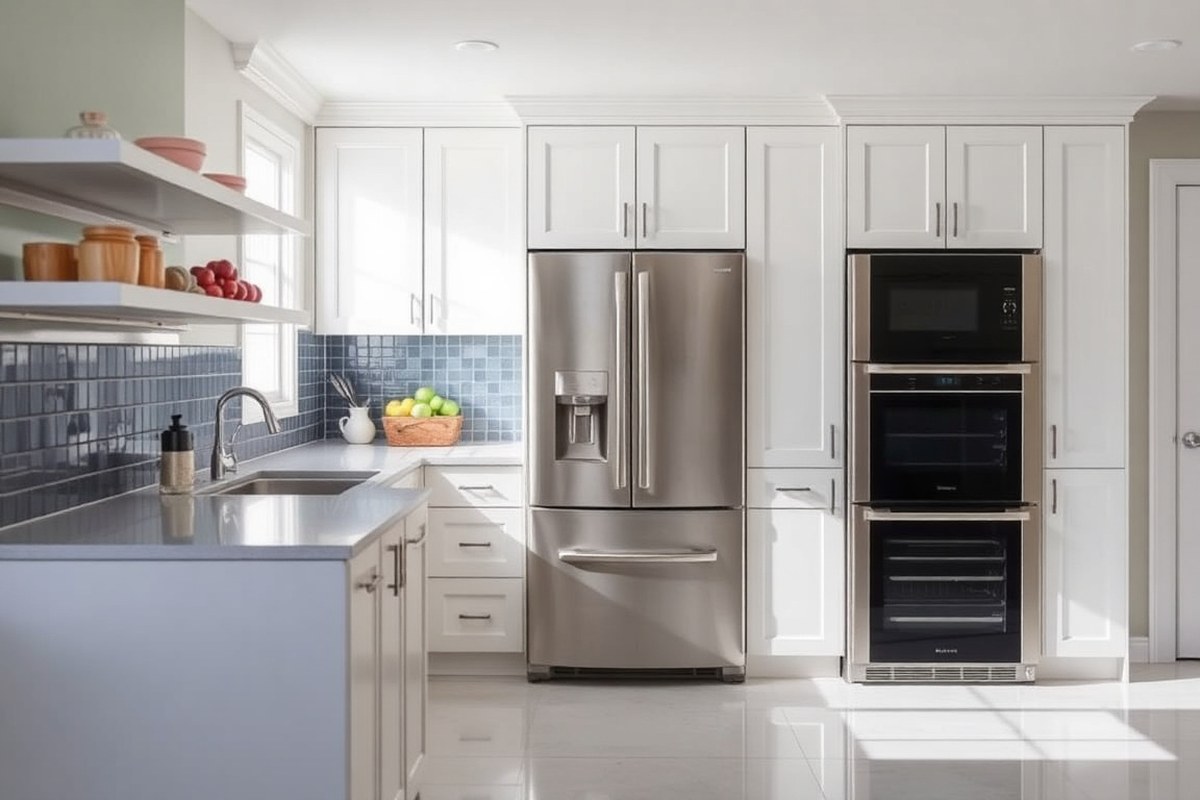
Top 7 Refrigerators with Cabinet Doors for a Sleek Look: Features, Prices & Installation Tips
Top 7 Refrigerators with Cabinet Doors for a Sleek Look offer smooth kitchen integration, combining style with functionality. These models let you cover your fridge with cabinetry that matches the rest of your kitchen, creating a clean, uniform appearance.
Homeowners and renters aiming for a modern kitchen aesthetic will find detailed comparisons, key features, and practical installation advice here. This information helps you select the right refrigerator that blends into your cabinetry without sacrificing performance.
Key Takeaways
- Choose a cabinet door refrigerator to achieve a streamlined look that hides bulky appliance fronts.
- Prioritize models with adjustable shelving and temperature control for customized food storage.
- Panel-ready refrigerators provide door fronts you supply, while fully integrated models come pre-finished for easy cabinetry matching.
- Measure cabinet dimensions and door swing before purchase to ensure proper fit and function.
- Install under professional guidance to maintain warranties and ensure smooth cabinet alignment.
- Regularly clean door seals and condenser coils to extend appliance life and maintain efficiency.
1. What Are Refrigerators with Cabinet Doors and How Do They improve Kitchen Design?

A refrigerator with cabinet doors is a refrigeration unit designed to blend smooth into your kitchen cabinetry by using custom panels that match the surrounding cabinet fronts. Instead of the typical stainless steel or plastic visible exterior, these refrigerators hide behind doors crafted from the same wood, finish, and style used for the rest of your kitchen cabinets. This integration creates a consistent and sleek look, giving your kitchen a built-in, high-end appearance without the bulky appliance look.
The purpose of a cabinet door refrigerator is to maintain the aesthetic flow of your kitchen design. By concealing the refrigerator behind panel doors, it reduces visual clutter and keeps the focus on your cabinetry and overall décor. This is particularly valuable in modern kitchen designs that emphasize clean lines, minimalism, and coordinated colors or materials. Cabinet doors help the refrigerator blend in rather than stand out as a separate unit, making the whole space feel larger and more cohesive.
In practical terms, installing cabinet doors on a refrigerator involves purchasing a panel-ready or fully integrated model, these refrigerators come with flat fronts and hardware-ready frames designed to accept custom panels. You then need to measure your cabinet doors precisely, including thickness (usually 3/4 inch), height, and width. Panels are typically fixed onto the appliance doors using a mounting kit supplied by the manufacturer or a third-party hardware provider. Aligning the panel doors with adjacent cabinets requires careful adjustments to hinges and handles to ensure uniform gaps and smooth operation.
Typical styles for these cabinet doors match popular kitchen cabinetry trends, such as shaker, flat panel, or raised panel styles. Finishes usually align with your cabinets, stained or painted wood in colors like white, gray, navy, or natural wood tones. Some homeowners use laminate or thermofoil panels if their cabinetry has those finishes. The hardware, such as handles and knobs, should also match or complement your kitchen’s overall hardware to maintain consistent visual appeal. Costs for custom panels vary widely depending on materials, style, and size but generally add between $200 and $800 per door. Choosing high-quality and properly finished doors ensures durability against moisture and temperature variations common near refrigerators.
The benefits of integrating a refrigerator with cabinet doors include a modern, smooth kitchen look and the ability to tailor the appearance to your exact design preferences. This approach protects the investment you make in your kitchen’s cabinetry style while still providing functional and accessible refrigeration. However, some downsides include slightly higher upfront costs compared to standard refrigerators, more complex installation requiring precise measurements or professional help, and potentially less ventilation efficiency if the panels are not properly installed with airflow gaps. It’s important to ensure your refrigerator model supports the design, as some cabinet-depth refrigerators are best suited for this approach. Proper installation and panel choice result in a refrigerator that looks like an integral part of your kitchen, improving resale appeal and everyday enjoyment.
2. Top 7 Refrigerators with Cabinet Doors: Models Compared

Choosing the ideal refrigerator with cabinet doors depends on size, capacity, and energy efficiency. Popular models vary by design and features, but you’ll find they all aim to blend smooth with your kitchen cabinetry while keeping food fresh. The table below compares seven top models, focusing on their dimensions, storage capacity, and energy ratings.
| Model | Dimensions (W×H×D, in) | Capacity (cu ft) | Energy Efficiency (ENERGY STAR®) | Additional Features |
|---|---|---|---|---|
| Sub-Zero BI-36UFD | 36 × 84 × 24 | 20.7 | Yes | Dual refrigeration, air purification |
| Miele KFN 15943 DE | 35.4 × 77.2 × 24 | 18.0 | Yes | Humidity control, FlexiLight |
| Thermador T30IT900SP | 30 × 84 × 24 | 16.2 | Yes | Wifi connectivity, No-frost system |
| Bosch B36CT80SNS | 36 × 84 × 24 | 21.6 | Yes | Freshness system, adjustable shelves |
| KitchenAid KBFN502ESS | 30 × 84 × 24 | 16.0 | No | Farm fresh temp tech, LED lighting |
| Samsung RF23M8070SG | 36 × 69.75 × 29 | 22.5 | Yes | FlexZone drawer, smart features |
| GE Profile PFE28KYNFS | 36 × 70 × 29.5 | 24.2 | Yes | Hands-free autofill water dispenser |
The sizes typically range from 30 to 36 inches wide and 69 to 84 inches tall. Depth usually stays around 24 to 29.5 inches to align with cabinet depths. Models with higher cubic feet offer more storage but may demand more space and a stronger energy plan. ENERGY STAR® rated refrigerators generally consume less electricity, helping reduce your utility bills over time.
You’ll notice that features such as dual refrigeration, air purification, humidity control, and smart technology appear across these models, improving food preservation and usability. Some come with Wi-Fi capability, allowing remote control of temperature settings and alerts. Not all models have full ENERGY STAR® certification; non-certified units may save less energy but could be more affordable upfront.
Tip: Confirm the depth of your cabinetry before selecting a model to ensure the refrigerator aligns perfectly and the cabinet doors fit without gaps or overlaps.
3. Features to Consider When Choosing a Cabinet Door Refrigerator
Choosing a cabinet door refrigerator means balancing sleek design with reliable function. Focus on cooling technology, storage flexibility, and panel compatibility to get a model that fits your kitchen’s style and your daily needs. Each feature affects performance, ease of use, and installation, so knowing what to look for helps avoid costly surprises.
Cooling Technologies and Their Benefits
Modern cabinet door refrigerators use advanced cooling systems to keep food fresher longer and reduce energy use. Most models feature dual or multi-airflow systems that evenly distribute cold air to every shelf and drawer, preventing hotspots and frost build-up. Look for variable-speed compressors, which adjust cooling based on conditions, saving power and lowering noise during regular use.
Some units also include built-in air purifiers that reduce odors and bacteria inside the fridge. Keep in mind that more advanced tech might add $200 to $500 to the initial price but can lead to energy savings and better food preservation over time. Avoid models without precise temperature controls or those lacking frost-free operation, as these require regular manual defrosting and can cause uneven cooling.
Flexible Storage and Shelving Options
Adjustable shelves and customizable compartments make organizing groceries easier and maximize available space inside a cabinet door refrigerator. You want models that offer sliding or foldable shelves made from tempered glass or durable plastic. Large, clear drawers for fruits and vegetables help maintain humidity levels, which prevents spoilage faster.
Door bins should accommodate tall bottles and smaller items without wasted space. Some refrigerators also provide convertible zones that switch between fridge and freezer depending on your storage needs. This flexibility helps when the household consumption changes or during seasonal shifts in food storage.
- Tempered glass shelves that adjust in height
- Humidity-controlled vegetable crispers
- Removable door bins of varying sizes
- Adjustable freezer compartments or convertible zones
- LED interior lighting for better visibility
- Easy-to-clean, spill-proof surfaces
Expect to spend around $100 to $300 more for premium storage features. Less flexible shelving might save money upfront but could reduce usability, making daily tasks more frustrating and possibly leading to wasted food.
Panel Compatibility and Finishes Explained
Since cabinet door refrigerators blend with surrounding cabinetry, panel compatibility is a key feature. Most models are panel-ready, designed to fit custom wood or laminate panels that match your kitchen cabinets. Check the manufacturer’s specifications for panel size limits, thickness (usually 3/4 inch), and mounting hardware included or required.
Look for refrigerators offering reversible door hinges or adjustable door alignment to ensure proper integration without gaps. Some brands also provide stainless steel or glass-faced panels pre-finished to work with their models, which can be easier if you want a consistent look without custom cabinetry work.
Costs for custom panel installation vary widely based on panel material and carpenter rates but typically run $150 to $600 per door. Incorrectly fitted panels can cause ventilation issues and affect door sealing, so precise measurements and professional guidance help avoid these problems.
Energy Efficiency and Noise Considerations
Energy efficiency affects both your utility bills and environmental impact. Look for Energy Star certified cabinet door refrigerators, which use 10 to 15% less energy than standard models. Features like LED lighting and efficient compressors contribute to this rating.
Noise levels vary depending on compressor type and insulation. Variable-speed compressors tend to run quieter and adjust speed depending on cooling needs. Expect noise levels around 30 to 40 decibels, roughly the background noise of a quiet library. Excessive noise may indicate poor installation or mechanical issues that should be addressed promptly.
Warranty, Service, and Reliability Factors
Check manufacturer warranty details, especially for covered parts like compressors and sealed refrigeration systems; these are expensive to repair or replace. Most warranties range from 1 to 5 years, with longer coverage available on premium models.
Reliable refrigerators typically have a service network that includes technicians familiar with integrated models. This is important for troubleshooting panel-fitting problems or cooling system repairs. Also, verify if the brand offers online support and easy-to-replace parts to simplify maintenance.
4. Differences Between Panel-Ready and Fully Integrated Refrigerator Models
A panel-ready refrigerator features a front surface designed to attach custom cabinet panels you provide. This type allows the refrigerator to blend smoothly with your kitchen cabinetry by matching the finish and style of your existing doors. The appliance’s front is a flat, perforated steel surface with pre-drilled holes or mounting points where you screw on your panels. This setup makes it easier and less costly to achieve a built-in look since you only supply and install the panels yourself or through your cabinet installer.
Fully integrated refrigerators differ by having their cabinetry panels pre-installed or designed by the manufacturer as part of the unit. The door fronts often sit flush with surrounding cabinets and may include hidden handles or recessed grips for a smooth appearance. Because the panels are factory-aligned and sometimes custom-built into the fridge, installation demands precise measurements and professional fitting to ensure perfect integration with adjacent cabinets. This approach usually costs more upfront due to the customized paneling and installation labor.
The choice between panel-ready and fully integrated models depends largely on your kitchen layout, aesthetic goals, and budget. Panel-ready refrigerators suit kitchens where you already have matching cabinet doors or want to match a specific material, such as maple or shaker style. Since you handle or hire out the panel installation, labor fees vary but typically run from $200 to $600 depending on panel complexity and finish. The refrigerator itself can cost between $3,000 and $6,000 for high-end models from brands like Sub-Zero and Thermador.
Fully integrated refrigerators fit kitchens designed for a flush, minimal look with no visible fridge edges or handles. These models require exact cabinet design and measurements beforehand, often working best in custom kitchen builds or major remodels. Installation often needs professional cabinetmakers and plumbers, with labor costs upwards of $1,000 due to complexity. The refrigerators themselves generally start around $6,000 and can exceed $10,000. You pay a premium for the convenience and the perfectly aligned look that panel-ready units cannot fully replicate.
Installation of a panel-ready refrigerator involves measuring your existing cabinet doors to create matching panels no thicker than 3/4 inch to allow proper door closing and sealing. The panels must be sturdy and professionally finished to resist moisture and wear. After securing the panels onto the fridge door with screws, the fridge mounts into the rough cabinet opening, aligning the door flush with surrounding cabinetry. Any gap over 1/8 inch can affect the smooth appearance and insulating performance.
For fully integrated models, cabinet doors and surrounding panels are built directly into the kitchen design phase. The refrigerator usually slides on rollers into a custom cavity framed to the exact dimensions listed by the manufacturer. Careful leveling and alignment of the door panels is essential to avoid uneven gaps or sticking. These units often include a push-to-open feature, eliminating the need for handles and improving the flush look. Any errors in design measurements or installation can lead to costly delays or need for panel adjustments.
In summary, panel-ready refrigerators offer flexibility and lower initial costs by letting you control the cabinet door style, making them ideal for updates to existing kitchens and budgets under $7,000. Fully integrated refrigerators deliver a higher-end, flawless built-in look best suited for new custom kitchens where budget and design precision are priorities. The decision revolves around whether you prefer DIY or professional installation, the existing cabinetry you want to match, and how much you are willing to invest in installation and cabinetry work.
5. Step-by-Step Installation Checklist for Cabinet Door Refrigerators
Installing a refrigerator with cabinet doors requires attention to precise measurements, careful handling of panels, and alignment to achieve a flush, smooth look. The process involves preparing both the appliance and the cabinet fronts to fit together perfectly. Avoiding common pitfalls like uneven panels or poor securing will ensure the fridge functions well and improve your kitchen’s style.
Measuring for the Right Fit
Start by measuring the refrigerator’s height, width, and depth along with the cabinet opening. Pay close attention to clearance space for ventilation and door swing. These dimensions must match or slightly exceed the refrigerator’s size to allow for adjustments and airflow.
Use a steel tape measure for accuracy. Measure the cabinet opening at three points: top, middle, and bottom for width; left, center, and right for depth. Take the largest measurement in each dimension to prevent tight fits. For ventilation, leave at least 1/8 inch on the sides and top; some manufacturers recommend up to 1/4 inch.
Preparing the Refrigerator and Cabinet Panels
Before attaching the panels, remove any temporary protective coverings from the refrigerator doors. Check that your cabinet doors are the correct size and thickness, typically 3/4 inch to 5/8 inch, to ensure compatibility. Some models require panel reinforcement or special mounting brackets included by the manufacturer.
Dry fit the cabinet doors by placing them against the refrigerator frames without screws or hardware. This step confirms alignment and fit. You may need to trim or sand the panel edges for a flush look. Protect cabinet surfaces with painter’s tape during this process to avoid damage.
Mounting and Adjusting the Doors
Attach mounting brackets to the cabinet doors and carefully secure them to the refrigerator’s factory-installed hinges. Use a screwdriver or drill with the correct bit to avoid stripping screws. Ensure each screw is tight but do not overtighten to prevent panel cracks.
Once mounted, adjust the door alignment to eliminate gaps and ensure even contact with adjacent cabinetry. Most models have customization screws for vertical and horizontal adjustments. Use a level to check for a perfectly upright position and a spacer block if necessary to maintain consistent gaps.
- Align the panel door with the refrigerator hinge mounts.
- Attach the brackets or mounting hardware to the cabinet door.
- Secure the cabinet door to the refrigerator hinges with screws.
- Check for even gaps around the door edges using a ruler or level.
- Adjust hinge screws to fine-tune door height and width alignment.
- Inspect that the door closes smoothly without binding or sticking.
- Replace or install any trim pieces that cover mounting hardware, if applicable.
Use a level after each adjustment to ensure doors stay perfectly aligned and avoid uneven wear over time.
Final Checks and Calibration
Once doors are installed, test the refrigerator’s function by opening and closing several times. Listen for rubbing or resistance that indicates misalignment. Ensure the door seals firmly for energy efficiency. Proper sealing helps maintain internal temperatures, which saves energy and keeps food fresh longer.
Check the manufacturer’s recommended temperature settings and set your refrigerator accordingly. Note that drafty cabinet spaces or poorly insulated panel doors might affect internal temperatures, so monitor for 24 hours and make small adjustments as needed.
6. Maintenance Tips and Troubleshooting for Cabinet Door Refrigerators
Maintaining a cabinet door refrigerator requires particular care to keep both the appliance and the custom cabinetry looking sharp. Door alignment and hinge condition are critical since mismatched doors can cause sealing issues, reducing efficiency and risking food spoilage. Every few months, check if the doors close flush and evenly. Adjust the hinges using the screws behind the door or inside the hinge mechanism, as detailed in the manufacturer’s manual, if the door is misaligned. Proper alignment ensures the magnetic seal closes tightly, maintaining the fridge’s temperature and preventing energy waste.
Cleaning routines for cabinet door refrigerators involve attention to both the fridge surfaces and surrounding cabinetry. Wipe down the panel doors with a mild detergent solution and a soft cloth once a week to avoid grime accumulation. Avoid abrasive cleaners to prevent damage to the cabinetry finish. For the inside of the fridge, clean shelves and drawers with warm water and a little baking soda every one to two months to keep odors and bacteria in check.
Cooling issues or condensation are common troubleshooting points. Notice inconsistent temperatures or excess moisture inside? Start by checking the door seals for cracks or gaps. Replace the gasket if it is damaged, which typically costs between $30 and $100 depending on the fridge model. Also, ensure vents inside the fridge are not blocked by items, allowing proper air circulation. A condenser coil clogged with dust can decrease cooling efficiency; clean it gently with a vacuum or coil brush at least twice a year to avoid costly repairs.
- Check and adjust door hinges every 3 to 6 months for proper alignment.
- Clean door panels and cabinetry weekly with a mild detergent and soft cloth.
- Deep clean fridge interior every 1 to 2 months using warm water and baking soda.
- Inspect door gaskets quarterly, replace if cracked or broken.
- Vacuum condenser coils twice yearly to maintain cooling performance.
- Keep fridge vents clear of food items to ensure airflow.
Following these maintenance steps prevents common problems like uneven cooling and water droplets forming inside the cabinet doors or fridge interior. Ignoring small leaks in seals or clogged coils can cause significant energy increases and shorten the appliance’s lifespan. Routine care generally takes 15 to 30 minutes a month and can save hundreds on repair and energy costs down the line.
7. Common Mistakes to Avoid When Buying a Cabinet Door Refrigerator
One common mistake when buying a refrigerator with cabinet doors is incorrect sizing. Many buyers fail to measure the available space accurately, which leads to issues during installation. Take precise measurements of the height, width, and depth of your kitchen cavity, including clearance for door swing and ventilation. Also, account for the thickness of your cabinet doors and any trim pieces. Not doing so risks the fridge not fitting or interfering with adjacent cabinets or appliances.
Another frequent error is buying a refrigerator panel that does not match the kitchen cabinetry in color, texture, or finish. This mismatch disrupts the smooth look you want. To avoid it, bring a sample of your cabinet material to the store or request swatches from the manufacturer. Confirm the panel style and mounting compatibility with your specific fridge model. Some brands only work with their panels, while others accept custom panels up to certain thickness limits.
Overlooking the refrigerator’s energy rating can also cost more in the long run. Models without good energy efficiency waste electricity and drive up your utility bills over time. Look for ENERGY STAR certified refrigerators designed with insulation and compressor technology to keep running costs low. Comparing annual energy use in kilowatt-hours (kWh) helps, models vary from roughly 300 kWh to over 600 kWh per year. You can estimate yearly electricity cost by multiplying the kWh usage by your local electricity rate.
Warranties and support services matter too but are sometimes ignored. Many buyers regret not checking the length of coverage or what parts and labor are included. You want at least a one-year full warranty covering defects and repairs. Look for brands that offer extended warranty options or service plans, especially if installation involves custom cabinetry or modifications. Good customer support is important for troubleshooting panel fit or fridge performance issues.
- Measure cabinet opening precisely, including door and vent clearances.
- Match panel material, finish, and thickness with kitchen cabinetry.
- Choose ENERGY STAR rated models to reduce operating costs.
- Check warranty length, coverage, and availability of extended plans.
- Confirm refrigerator-panel compatibility with the brand and model.
- Verify that installer has experience with integrated cabinet refrigerators.
- Request or obtain panel samples before purchase to ensure style match.
Failing to follow these steps leads to delays, extra costs, or a final kitchen that lacks the sleek, built-in look you wanted. Precise measurements, careful panel selection, attention to energy efficiency, and understanding warranty details protect your investment and make sure your new refrigerator fits and performs perfectly.
8. Brands, Prices, and When to Choose a Cabinet Door Refrigerator
Several brands have earned good reputations for quality in the cabinet door refrigerator category, offering a range of features and sizes at different price points. Understanding brand strengths and typical costs helps you figure out when this appliance style fits your kitchen and budget. Cabinet door refrigerators are especially suited to homeowners who want a streamlined look that matches custom cabinetry.
Popular Brands Overview
Brands such as Sub-Zero, Bosch, and Thermador often lead the market in cabinet door refrigerator quality. Sub-Zero is known for its advanced dual refrigeration system and long-lasting build, suited for premium kitchens. Bosch offers panel-ready designs with efficient cooling technology, appealing to moderately priced ranges. Thermador blends innovative features like flexible shelving with a luxury appeal. Other brands may offer more affordable options but sometimes compromise on customization or durability.
Many well-regarded brands allow you to add overlay panels that match your kitchen cabinetry material and finish, making the refrigerator almost invisible and contributing to a sleek, cohesive vibe. This feature is critical if aesthetics are your top priority. Brand reputation can also influence warranty terms and customer support quality, factors to consider along with pricing.
Price Range Breakdown
Cabinet door refrigerators vary widely in cost based on size, brand, and features. Entry-level models typically start around $3,000 and can reach $15,000 or more for high-end configurations. Prices rise with added options like smart technology, adjustable shelving, specialized compartments, and integrated ice/water dispensers.
| Price Range ($) | Typical Brand Examples | Features Included | Recommended Kitchen Size |
|---|---|---|---|
| 3,000 – 5,000 | Bosch, KitchenAid | Basic panel-ready design, no ice maker | Small to medium kitchens |
| 5,000 – 9,000 | Thermador, LG | Adjustable shelves, door alarms, optional smart controls | Medium to large kitchens |
| 9,000 – 15,000+ | Sub-Zero, Viking | Dual refrigeration, advanced air purification, built-in ice/water | Large kitchens, luxury builds |
Choosing a model within your price bracket is easier when you know what features matter most and how room size impacts refrigerator specifications.
Choosing Based on Kitchen Needs
Opting for a cabinet door refrigerator makes sense if your kitchen design prioritizes a clean, smooth appearance with hidden appliances. This style suits custom or high-end kitchens where precise colour and material matching matter. Cabinet door refrigerators also work well in open-concept layouts where visible appliance seams can disrupt decor flow.
Consider kitchen size when selecting cabinet door models, as they tend to be deeper due to extra insulation behind the panels. Smaller kitchens might require compact models, whereas larger kitchens can accommodate full-size units with extensive features. Also factor in ventilation needs, proper airflow is necessary for these recessed appliances.
Tip: Ensure your cabinet measurements allow for a minimum of 2 inches of clearance behind the refrigerator for airflow to prevent overheating.
Step-by-Step Action Plan to Choose and Install Your Cabinet Door Refrigerator
Use this plan to pick the best cabinet door refrigerator and get it installed smooth for your sleek kitchen design.
- Before You Buy: Measure your kitchen space carefully and decide if you want a panel-ready or fully integrated model. Confirm compatibility with your existing cabinetry to ensure a perfect fit.
- Within 1 Week of Purchase: Order custom cabinet panels if required and arrange professional delivery and installation. Verify that the retailer or installer is experienced with cabinet door refrigerators.
- Installation Day: Have the installers check door alignment and hinge adjustments to ensure the cabinet doors open smoothly and blend with surrounding cabinets. Inspect for any damage or gaps before they leave.
- After 1 Week: Start using the refrigerator and follow the manufacturer’s maintenance tips. Test temperature controls and listen for unusual noises to confirm proper operation.
- After 1 Month: Review your kitchen’s overall look to ensure the refrigerator matches your aesthetic expectations. Adjust cabinet door hardware if needed for better alignment or appearance.
- Every 3 Months: Clean the cabinet door surfaces with gentle cleaners recommended for your panel materials. Check the refrigerator seals and hinges for wear or damage to prevent issues.
- Yearly: Schedule a professional service check for your refrigerator’s cooling system and electrical components. This helps maintain efficiency and prolongs appliance life.
Frequently Asked Questions
Are Cabinet Door Refrigerators Harder to Repair Than Standard Models?
Cabinet door refrigerators can be slightly more complex to repair due to integrated panels, but most repairs focus on common parts like compressors or fans. Having a professional service technician familiar with integrated appliances helps ensure proper care.
Can I Convert My Existing Refrigerator to Have Cabinet Doors?
Converting a standard refrigerator to cabinet doors is usually not feasible because integrated models have specific designs for panel attachment. It’s better to purchase a model built for cabinetry integration to ensure fit and function.
Do Cabinet Door Refrigerators Use More Energy Than Traditional Refrigerators?
Energy use varies by model rather than by cabinet door style. Look for Energy Star ratings to choose efficient refrigerators regardless of design. Integrated panels do not typically affect energy consumption.
Are There Size Limitations for Refrigerators with Cabinet Doors?
Yes, these refrigerators often come in standard widths compatible with cabinetry, typically 24 to 36 inches. Custom cabinetry might require careful measurement to ensure proper fit and door clearance.
Can I Install a Cabinet Door Refrigerator Myself or Should I Hire a Pro?
Hiring a professional is recommended because installation can be complex, needing precise door alignment and electrical connections. Proper installation avoids damage and ensures warranty coverage.
How Do Cabinet Door Refrigerators Impact Kitchen Resale Value?
They can improve resale value by offering a modern, streamlined look that appeals to buyers who prefer integrated kitchen designs. They also signal a well-planned kitchen space, which can be a selling point.
Final Thoughts
Choosing a refrigerator with cabinet doors can transform your kitchen’s look with a clean, uniform appearance. Focus on matching your cabinetry style and ensuring proper installation to enjoy both style and functionality. Start by measuring your space and researching panel options to narrow your choices. Taking these steps helps you achieve a sleek kitchen that fits your personal style and daily needs.
7 Comments