
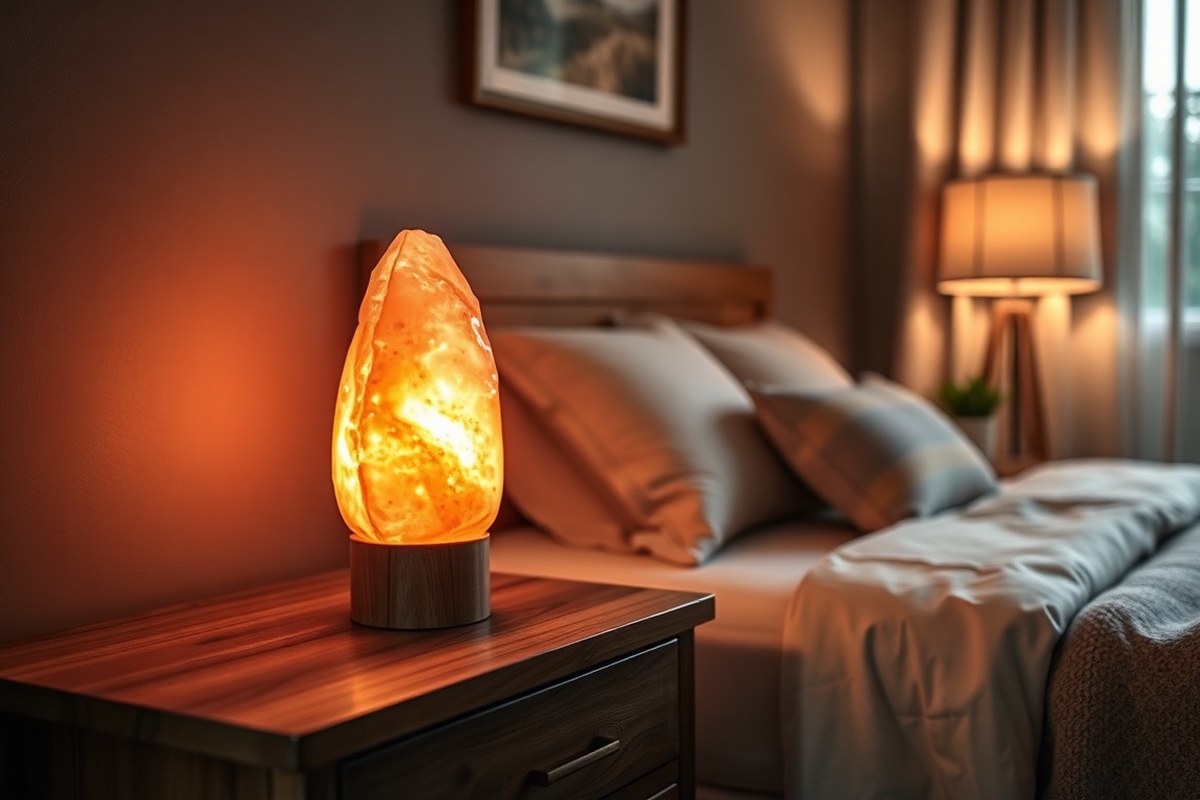
What Is the Best Place for a Salt Lamp? 8 Essential Tips for Ideal Placement
The best place for a salt lamp is somewhere visible and accessible, such as a bedside table, living room shelf, or desk where its natural glow can create a calming atmosphere. Position it away from moisture or extreme heat to protect the salt and maximize its benefits. This advice suits anyone interested in improving their home’s ambiance and wellness with a salt lamp’s warm light and potential air-purifying effects.
You will find practical tips on how salt lamps influence your environment and why careful placement matters. Learn where to put salt lamps in different rooms, ideal lighting setups, and how to avoid common placement mistakes, ensuring you get the most from your lamp’s unique features.
Key Takeaways
- Place salt lamps in dry, well-ventilated areas away from humidity and water sources.
- Keep lamps near frequently used spaces like desks or nightstands to enjoy their soothing glow.
- Avoid placing salt lamps directly on electronics to prevent moisture damage and interference.
- Use soft, ambient lighting conditions to improve the salt lamp’s warm color and calming effect.
- Select a spot where the lamp can be easily accessed for regular cleaning and maintenance.
- Choose placement based on the lamp’s size and shape to balance room aesthetics and function.
1. Where Is the Best Place to Put a Salt Lamp?
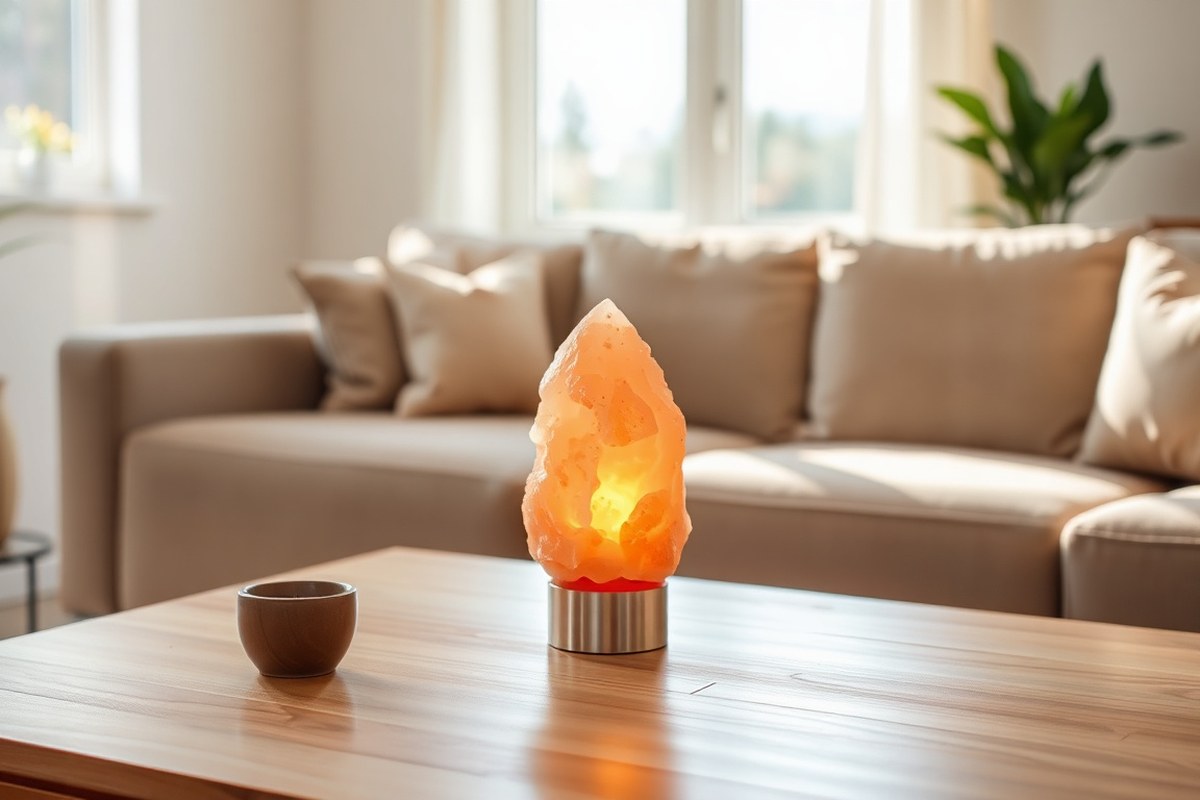
Choose a spot for your salt lamp where it can both shine visually and provide its calming glow throughout the room. Living rooms and bedrooms are excellent choices, as these relaxing spaces benefit from the lamp’s warm light and potential air-purifying qualities. Placing the lamp on a bedside table can create a soothing atmosphere for unwinding before sleep. In a living room, a coffee table or a shelf at eye level allows the lamp to be a soft focal point while complementing other decor.
Some rooms are better suited for salt lamps than others. Rooms with frequent use, like the family room or home office, let you enjoy the lamp’s ambiance and may help neutralize air particles where you spend the most time. Avoid spots near moisture sources like bathrooms or kitchens, since salt lamps can occasionally sweat or deteriorate in humid environments. Also, place the lamp away from direct drafts to maintain its surface quality and glowing effect. Maximizing your salt lamp’s benefits and style requires careful placement according to size, room function, and lighting. Here’s a quick checklist to help pick the perfect spot:
- Place on a stable, flat surface, avoid wobbly or cluttered spots.
- Position within 3 to 6 feet of your usual seating or resting area for best visual and mood effects.
- Keep away from windows or heaters that cause temperature fluctuations or excessive dryness.
- Select areas with minimal humidity to prevent salt degradation, ideally under 60% indoor humidity.
- Allow space around the lamp to avoid overheating or fire hazards, at least 4 inches clearance.
- Use in dimmer rooms or with subdued lighting to improve the warm orange-pink glow.
- Combine with complementary decor styles like rustic, bohemian, or modern to highlight the lamp’s natural look.
Costs for a suitable surface or stand can range from $10 for a small shelf to over $50 for decorative wooden tables. If your location feels cramped, choose a smaller lamp variety that fits smooth. Results include a tranquil aura, subtle lighting that relaxes the eyes, and a decorative accent piece that does not dominate the space. Problems arise when lamps get placed in damp or unsteady spots, signs include water accumulation on the base or flickering light, which indicate the need to move or adjust the lamp placement. Take your time testing different locations to balance both function and style effectively.
2. How Salt Lamps Affect Your Environment and Why Placement Matters
Salt lamps can have a mild effect on the air quality around them by releasing negative ions when the salt crystals warm up. These ions may help reduce airborne allergens and pollutants by attracting positively charged particles like dust and pollen, which then settle out of the air. However, this effect depends on the lamp staying on for long periods, typically several hours daily, and being placed in an area with some airflow to allow ions to disperse. A small lamp in a large, sealed room may have little impact. The heat from the lamp also slightly reduces room humidity by attracting moisture that evaporates from its surface, but this change is minimal.
Mood improvements linked to salt lamps often come from the soft, warm glow they emit rather than ionization effects. This calming light can reduce eye strain and create a relaxing atmosphere, which helps reduce stress and improves sleep quality when used in bedrooms or living rooms. The ion release, although debated, might also contribute subtly to mood by increasing air freshness. Placement influences these benefits because the ions and light need space to flow freely around the lamp. Positioning a salt lamp near windows or vents where air circulates maximizes ion dispersion and moisture regulation, improving the lamp’s potential air-purifying effects.
To get the best results for air quality and mood, keep the lamp running for at least 6 to 8 hours a day, preferably during waking hours when you spend time in the room. Avoid placing the salt lamp in areas with very high humidity, like bathrooms, as excess moisture can cause the salt to dissolve slowly and reduce the lamp’s lifespan. Instead, choose dry, well-ventilated spots such as near your desk, on a bedside table, or in a living room corner. Ensure there is no obstruction blocking the lamp’s surface or airflow, since covering the lamp reduces both heat generation and ion flow, weakening any benefits.
Good results show as improved room freshness, an inviting soothing light, and possibly reduced allergy symptoms for sensitive individuals. Lamps placed correctly often become a gentle focal point of the room, improving relaxation without glaring. Poor placement, such as cramped spots or constantly damp environments, leads to salt degradation, less heat output, and minimal ionization, which diminishes any air quality or mood benefits. Because the ion production from a typical salt lamp is low compared to larger air purifiers, consider it a complementary addition rather than a substitute for proper ventilation and air cleaning.
Keep your salt lamp on for many hours daily in a dry, well-ventilated space to help maximize its air quality and mood-improving effects.
3. Best Placement by Room Type and Usage Scenario
Salt lamps suit different rooms by their function and environment. Placing them thoughtfully maximizes their ambient glow and potential air quality benefits. This means adapting salt lamp location depending on bedroom, office, bathroom, or meditation use helps you get the most from it.
Bedroom Placement Tips
A salt lamp works best in bedrooms when placed near the head of the bed or on a nightstand. This spot offers soft, warm lighting that aids relaxation and can improve sleep quality by reducing harsh blue light exposure before bedtime.
Place the lamp at least 1-2 feet away from pillows and bedding to avoid risk of heat damage and allow adequate air circulation around the lamp. Keep it on a stable flat surface to prevent tipping. Using a salt lamp with a dimmable bulb lets you adjust its glow throughout the evening.
Office and Work Area Placement
In offices, position a salt lamp on your desk’s corner or near computer equipment but not too close to screens to avoid moisture from the lamp affecting electronics. A lamp sized around 5 to 7 pounds fits well on larger desks, providing a calm atmosphere while you work.
This placement reduces eye strain from harsh overhead light and can improve mood while working. Operating the lamp for 4 to 6 hours during work hours helps maintain a consistent warm glow that encourages productivity without glare.
Bathrooms and Humid Spaces
Salt lamps tolerate humidity but placing them in bathrooms needs caution. Avoid locations right next to water sources like sinks or showers to prevent excessive moisture buildup on the lamp’s surface. Choose a spot on a higher shelf or counter corner away from direct steam exposure.
Maintaining the lamp’s dryness can extend its lifespan and maintain its glow. Turning the lamp on regularly, especially during or after showers, helps dry out moisture and prevent salt erosion. Avoid bathrooms with cold temperatures below 60°F, which can cause condensation.
Meditation and Wellness Areas
Salt lamps improve meditation by providing soft, ambient light that fosters relaxation and concentration. Place the lamp within arm’s reach on a low table or altar where it casts a gentle glow without overwhelming the senses. A dimmable or color-adjustable lamp supports mood shifts during sessions.
Using a salt lamp in wellness areas encourages a calming atmosphere that supports deep breathing and mindfulness practice. Keep the lamp stable and switch it on 10 to 15 minutes before meditation to set the tone. Avoid placing it directly on the floor to prevent dust buildup on the lamp base. The table below summarizes ideal placements by room type, considering lamp size, location, duration of use, and environmental cautions.
| Room Type | Recommended Lamp Size | Best Location | Duration of Daily Use | Key Environmental Notes |
|---|---|---|---|---|
| Bedroom | 5-7 lbs | Nightstand, 1-2 ft from bed | Evening, 2-4 hours | Avoid overheating pillows; stable surface required |
| Office | 5-7 lbs | Desk corner, away from screens | Work hours, 4-6 hours | Keep at least 6 in away from electronics |
| Bathroom | 3-5 lbs | High shelf, away from water & steam | During/after shower, 1-2 hours | Avoid direct steam and cold temps below 60°F |
| Meditation Room | 4-6 lbs | Low table, reachable but off floor | Pre and during session, 15-30 min | Stable base; dimmable recommended |
Adjusting salt lamp position by space encourages both aesthetic appeal and functional benefits. For example, a lamp slightly away from active water sources or heat sources avoids wear. Meanwhile, proper height and distance from furniture improve the lamp’s glow and your comfort in that space.
4. How to Position Salt Lamps Relative to Furniture and Electronics
Place your salt lamp at least 12 inches away from electronic devices to avoid any potential interference. Salt lamps work by emitting negative ions, but they do not generate electromagnetic waves that can disrupt WiFi or device signals. However, keeping some distance prevents overheating your lamp or electronics, which can affect their performance and lifespan. Avoid putting lamps directly on top of or too close to routers, laptops, or TVs, as the heat and dust from these devices could damage the lamp’s salt surface.
Regarding furniture, the lamp should not be placed flush against wood or fabric surfaces. Leaving a gap of 3 to 6 inches allows air circulation and minimizes moisture build-up. Salt lamps absorb ambient moisture, so direct contact might lead to salt deterioration or spotting on furniture finishes. Placement on a sturdy, flat surface such as a wooden side table or shelf is ideal, provided it has some clearance around the base.
Windows require special attention. Salt lamps work best away from direct sunlight and drafts. Position the lamp at least 2 feet from windows to prevent exposure to fluctuating temperatures and humidity, which accelerate salt wear and water condensation on the lamp’s surface. Also, avoid placing lamps where rain or moisture might reach them through an open window or screen.
- Keep a minimum of 12 inches from all electronics, including routers and smartphones
- Leave 3 to 6 inches of space between the salt lamp and furniture surfaces
- Place lamps at least 24 inches from windows to avoid direct sunlight and drafts
- Avoid positioning near heat sources or vents that can dry out or damage the lamp
- Use a stable, flat surface that supports the lamp’s weight evenly
- Consider using a coaster or protective mat if placing on delicate finishes
Following these guidelines helps maintain your salt lamp’s appearance and function. For example, a salt lamp too close to a window often develops white crusts or starts sweating due to humidity changes. Lamps near electronics might attract dust or overheat. When you keep clearances as recommended, the salt lamp can safely provide ambient light and its claimed air-purifying benefits without causing device interruptions or furniture damage.
5. Lighting Conditions That improve Salt Lamp Appearance and Effects
Salt lamps produce their most appealing glow and supportive ambiance in areas with dim or soft ambient light. Avoid placing your salt lamp in direct sunlight, as strong natural light can bleach the salt’s vibrant orange and pink hues, and reduce the distinct warm glow the lamp offers. Exposure to direct sunlight may also cause the salt to sweat or deteriorate faster over time. Instead, position the lamp in a shaded corner or an area where indirect sunlight filters in, allowing its color to stand out without risking damage.
Artificial lighting plays a key role in improving both the look and perceived benefits of a salt lamp. Situate the lamp in a room with adjustable lighting, such as dimmable overhead lights or lamps with warm white bulbs around 2700K. This lets you create contrast so the lamp’s soft orange light becomes a gentle focal point. For evening use, try turning off harsh ceiling lights and letting your salt lamp provide subtle mood lighting. This lowers eye strain and promotes relaxation more effectively than bright or cool-toned lights.
To optimize your salt lamp’s glow, use a lamp wattage matching the size of your salt crystal, smaller lamps work well with 15 to 25 watts, while larger ones benefit from 25 to 40 watts. Avoid LED bulbs that emit bright white or blue light, as these overpower the lamp’s natural warmth and lessen the calming effect. The incandescent bulbs commonly included with salt lamps provide the best balance of heat and light, gently warming the salt to release negative ions, which some users find beneficial for air quality and mood.
Creating the ideal atmosphere involves positioning your salt lamp near seating areas or nightstands where you can appreciate its glow up close. In bedrooms, placing it where it will not be directly hit by sunlight but still visible from your bed lets you enjoy a comforting light before sleep. For living rooms or offices, keep lamps on shelves or side tables away from bright ceiling fixtures and electronics that emit blue light. This reduces competing light sources and makes your salt lamp’s soft luminance stand out.
Some people prefer layering their salt lamp glow with other natural light sources during the day. Position a lamp near a north-facing window that offers consistent, indirect daylight to maintain color without overexposure. For evenings without natural light, place the lamp near a lamp with a warm bulb or use a remote-controlled dimmer to fine-tune room brightness. Combining the salt lamp’s warm tone with other warm lights improves ambiance and maintains its health-related claims within the limits of light therapy.
Never leave a salt lamp in direct sunlight longer than an hour at a time to prevent salt deterioration and fading of its natural colors.
6. Common Mistakes in Salt Lamp Placement and How to Fix Them
Placing a salt lamp incorrectly can reduce its effectiveness and create safety risks. One common mistake is putting the lamp in a damp area, such as near a sink or bathroom, which can cause the salt to absorb moisture and become soggy or dissolve. This not only damages the lamp but also weakens the ionizing effects you want. Instead, keep your salt lamp in a dry spot away from high humidity. A place with stable room temperature, typically between 60°F and 75°F, helps maintain its condition and function.
Another frequent error involves setting the lamp too close to electronic devices or clutter. Salt lamps emit a subtle glow and attract dust, which can accumulate quickly on nearby electronics, possibly interfering with their cooling or performance. Maintain at least 12 to 18 inches of clearance from computers, TVs, and other devices. This provides room for proper airflow around equipment and maximizes the lamp’s air-purifying benefits by allowing ions to disperse.
Ignoring lamp stability poses a safety hazard. Salt lamps are often heavy and fragile, so placing one on an unstable or uneven surface increases the risk of falling and breaking. Use a sturdy, flat table or shelf and avoid high-traffic areas where the lamp might get knocked over. If you have pets or children, position the lamp where they can’t accidentally tip it down.
- Placing the lamp in humid or wet areas causes salt deterioration; keep it dry.
- Setting the lamp too close to electronics blocks air circulation; leave 12-18 inches clearance.
- Using an unstable surface risks the lamp falling; choose a flat, sturdy spot.
- Ignoring heat sources near the lamp may cause cracking; keep it away from radiators or direct sunlight.
- Not turning on the lamp regularly reduces its ionizing effect; use it daily for at least 6-8 hours.
Correcting these issues often requires relocating the lamp to a better spot that balances dryness, safety, and visibility. For example, placing the lamp on a dedicated side table away from the kitchen sink and electronics keeps it dry and well-ventilated. Make sure the lamp’s cord does not run across walkways to prevent tripping or cord damage. Checking the lamp weekly for salt buildup or moisture damage helps you maintain its appearance and function over time, which usually costs only your time and careful observation.
Lastly, regular use improve the lamp’s benefits. Leaving the lamp on for at least 6 to 8 hours per day warms the salt and supports air ionization. Turning the lamp on near the start of your day or evening routine maximizes its calming and ambient effects. Avoid placing the lamp in the dark closet or behind heavy drapes, as little to no light reduces its décor value and desired mood-setting impact.
7. How Lamp Size and Shape Influence Where to Place a Salt Lamp
The size and shape of salt lamps directly influence where you should place them in your home. Smaller lamps fit well on desks or nightstands, while larger lamps become focal points on side tables or entryway consoles. Choosing the right location depends on how the lamp’s dimensions interact with room size, furniture scale, and lighting needs.
Small Salt Lamps
Small salt lamps, typically under 6 pounds and about 6 to 8 inches tall, suit compact spaces. They fit nicely on bookshelves, desks, or bedside tables without overwhelming other décor. Because of their limited light output, they work best in close proximity where their warm glow can improve mood or provide subtle night lighting.
Place small lamps where you spend time reading or relaxing, such as a desk corner or near your favorite chair. Their compact size also makes them easy to move, so you can try different spots based on changing needs. Avoid placing them in large open areas, as their effect dissipates quickly in big spaces.
Medium Salt Lamps
Medium-sized lamps weigh between 7 and 15 pounds and stand roughly 8 to 12 inches tall. These lamps provide more substantial light and presence, making them suitable for end tables, mantels, or kitchen counters. Their size allows for a stronger ambient glow that fills medium rooms more effectively.
For optimal placement, set medium lamps in areas where you want a balance of visual interest and functional lighting. Near electronics, they can complement devices without being overshadowed by screen glare. In living rooms or dining areas, they work well as accent lights that don’t require additional lighting fixtures.
Large and Decorative Lamps
Large salt lamps, often 16 pounds or more and 12 to 20 inches tall, serve as statement pieces. Their sizeable bases and sculpted shapes draw attention and significantly impact room ambiance. Because they emit more heat and light, place them on stable furniture such as sideboards or entryway tables away from moist areas.
The shape also matters: pyramid and block designs offer broad base stability, ideal for spots prone to bumping or traffic. Natural clusters or irregular shapes serve best as decorative highlights in sparsely furnished corners or open shelves. Large lamps warm the air slightly, so avoid positioning them near heat-sensitive items. The table below compares typical size categories and their ideal placement features:
| Salt Lamp Size | Weight (lbs) | Typical Height (inches) | Best Placement Spots | Light & Heat Output |
|---|---|---|---|---|
| Small | 3, 6 | 6, 8 | Desk corners, bedside tables, bookshelves | Low, subtle glow |
| Medium | 7, 15 | 8, 12 | End tables, mantels, kitchen counters | Moderate, fills medium rooms |
| Large | 16+ | 12, 20 | Sideboards, entryway consoles, open shelves | High, noticeable warmth |
Choosing a lamp size that fits your room scale avoids overcrowding or underwhelming the space. Smaller lamps suit intimate areas where close viewing matters. Larger lamps are meant for broad spaces where their physical form and light make a decorative statement. The combined consideration of size, weight, and shape ensures the lamp complements both the room’s function and design.
8. Maintaining Your Salt Lamp According to Its Placement
Maintaining your salt lamp well depends on where you place it. Indoor placement requires regular cleaning, careful moisture management, and occasional adjustment of position to keep it working and looking its best. These actions help preserve the lamp’s longevity and any benefits it provides.
Regular Dusting and Cleaning
Salt lamps attract dust and may accumulate dirt, especially in dusty environments or near open windows. Cleaning your lamp regularly ensures it maintains its appearance and continues to emit light properly. Lamps placed in living rooms or bedrooms need dusting roughly once every one to two weeks, while those in kitchens or high-traffic areas might need cleaning weekly. To clean your salt lamp without damaging it, follow these steps:
- Unplug the lamp and allow it to cool completely if it was recently on.
- Use a dry, soft cloth to gently wipe the surface. Avoid using water as salt dissolves with moisture.
- Notice sticky spots? Lightly dampen the cloth with clean water, then dry the lamp thoroughly with another cloth right away.
- For stubborn dirt, use a soft brush to reach crevices.
- Keep the lamp in a dry room after cleaning to prevent moisture absorption.
Use only a dry or nearly dry cloth; too much water damages salt lamps by causing them to dissolve or develop rough patches.
Dealing with Humidity and Moisture
Salt lamps absorb moisture from the air, which is more problematic in humid spaces like bathrooms or kitchens. Your lamp sweating, dripping water, or looking wet shows it has absorbed too much moisture, which can reduce its lifespan. Constant exposure to moisture can cause salt lamps to degrade or crumble. To manage moisture issues, take these steps:
- Place a small tray or mat under the lamp to catch any dripping salt or water.
- Avoid placing your lamp directly near windows, humidifiers, or areas prone to steam.
- Use the lamp regularly to keep its internal bulb warm, which helps evaporate moisture. Aim for daily use of a few hours, especially in humid environments.
- To reduce excess moisture, warm the lamp carefully indoors using a low heat source for short sessions, such as a hairdryer on low heat held at a safe distance.
- Consider a room dehumidifier if your space is consistently damp.
Never apply direct heat or open flames to dry a salt lamp, as this may crack or damage it permanently.
Safe Handling and Placement Adjustments
Moving a salt lamp can loosen the bulb or electrical parts, so handle it carefully. The placement you choose affects how often you’ll need to clean or adjust the lamp. For example, placing it on stable surfaces away from moisture sources reduces issues and maintenance frequency. Here’s how to safely adjust or reposition your lamp to balance maintenance ease and benefits:
- Unplug the lamp before moving it to avoid electric shock.
- Pick it up gently to avoid dropping or chipping the salt crystal.
- Check that the bulb is seated properly before plugging it back in.
- Place the lamp on a stable, flat surface in a low-humidity area of the room.
- Keep it away from direct sunlight, fireplaces, or near air conditioning vents, which can affect its moisture balance.
- Regularly inspect the lamp for any wear or salt crumbling, especially after moving it.
Always unplug before adjusting the lamp location to prevent electrical hazards.
Step-by-Step Action Plan for Placing Your Salt Lamp
Follow these steps to position your salt lamp where it can provide the most benefit and improve your space.
- Before you start: Choose the right lamp size and shape based on the room’s size and purpose to ensure it fits well and looks appealing.
- Day 1: Place the lamp on a stable surface, away from direct sunlight, moisture, or heat sources. Check that it is near a power outlet if it’s electric.
- Week 1: Test the lamp’s lighting effect by using it in different lighting conditions. Adjust placement if needed to get the warm, soothing glow you want.
- Week 2: Observe how the lamp affects your environment, such as mood or air quality perception, especially in areas where you relax or work.
- Week 3: Move it slightly further from electronics if you notice any interference or unwanted electrical noise.
- Month 1: Clean and check for any salt residue buildup and adjust humidity levels nearby to keep the lamp in good condition.
- After 1 month: Make any final position tweaks to optimize both the lamp’s glow and your comfort in the space.
Frequently Asked Questions
Can I Place a Salt Lamp in My Bedroom?
Yes, bedrooms are great for salt lamps as they create a calming atmosphere. Placing it near your bedside table can improve relaxation and improve air quality during sleep.
Is It Safe to Put a Salt Lamp in the Bathroom?
Salt lamps can go in bathrooms if they are kept away from direct water splashes. High humidity might cause the salt to dissolve faster, so place it where it stays dry while enjoying the soft glow.
Can a Salt Lamp Be Placed Near a TV?
Avoid placing salt lamps too close to TVs or electronics since salt can attract moisture, potentially affecting devices. Keep at least a few feet distance to prevent any risk and protect both the lamp and your equipment.
Should a Salt Lamp Be Near a Window or Away from Sunlight?
Salt lamps should be placed away from direct sunlight, which can fade their color and cause premature wear. A spot with indirect light can keep the lamp looking good and prolong its life.
Do Salt Lamps Work Better on Wooden Surfaces?
Wood is an ideal surface for salt lamps because it resists moisture and adds natural warmth to the display. Avoid metal or glass, which might encourage condensation and damage the salt over time.
Is It Okay to Place a Salt Lamp in an Office Space?
Yes, salt lamps in office spaces can reduce stress and boost focus by softening harsh lighting. Position the lamp near your workspace but out of the way to create a peaceful environment.
Wrapping Up
Your salt lamp works best when placed thoughtfully, balancing aesthetics with practical environmental factors. Start by choosing a spot that matches your daily routines and keeps the lamp away from moisture or electronics. Plug in and enjoy how the gentle light complements your home or office, then keep track of any changes you observe to make small placement adjustments as needed.
One Comment