
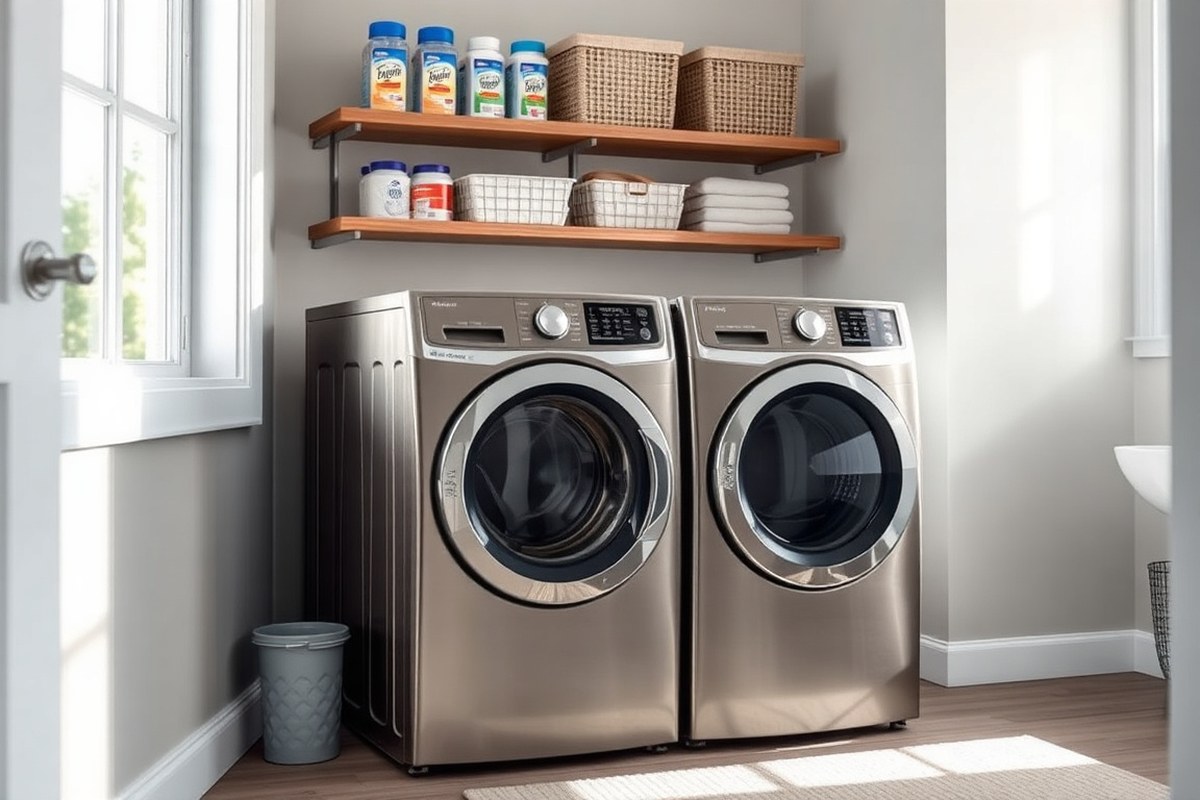
Best Washer and Dryer Brands of 2027: Compare Features, Prices, and Value
Samsung, LG, and Whirlpool stand out as the best washer and dryer brands of 2027, offering solid performance, reliability, and user-friendly features. These brands cover various styles and budgets, making it easier to find a set that fits your laundry needs and space.
Homeowners and renters seeking efficient, durable washers and dryers will find detailed comparisons here. You’ll learn about key features, price ranges, energy efficiency, and maintenance tips to make a confident decision on your next laundry appliances.
Key Takeaways
- Samsung offers smart washers with Wi-Fi connectivity, improving remote control and cycle monitoring.
- LG washers typically provide advanced cleaning systems and quiet operation for sensitive spaces.
- Whirlpool excels in value, balancing performance and cost with straightforward controls and solid warranties.
- Front-load washers save space and water, while top-load washers generally cost less and have faster cycles.
- Energy Star-rated washers and dryers from top brands reduce utility bills and environmental impact.
- Consider extended warranties for peace of mind, especially with high-end models featuring advanced electronics.
Top Washer and Dryer Brands to Consider In 2027
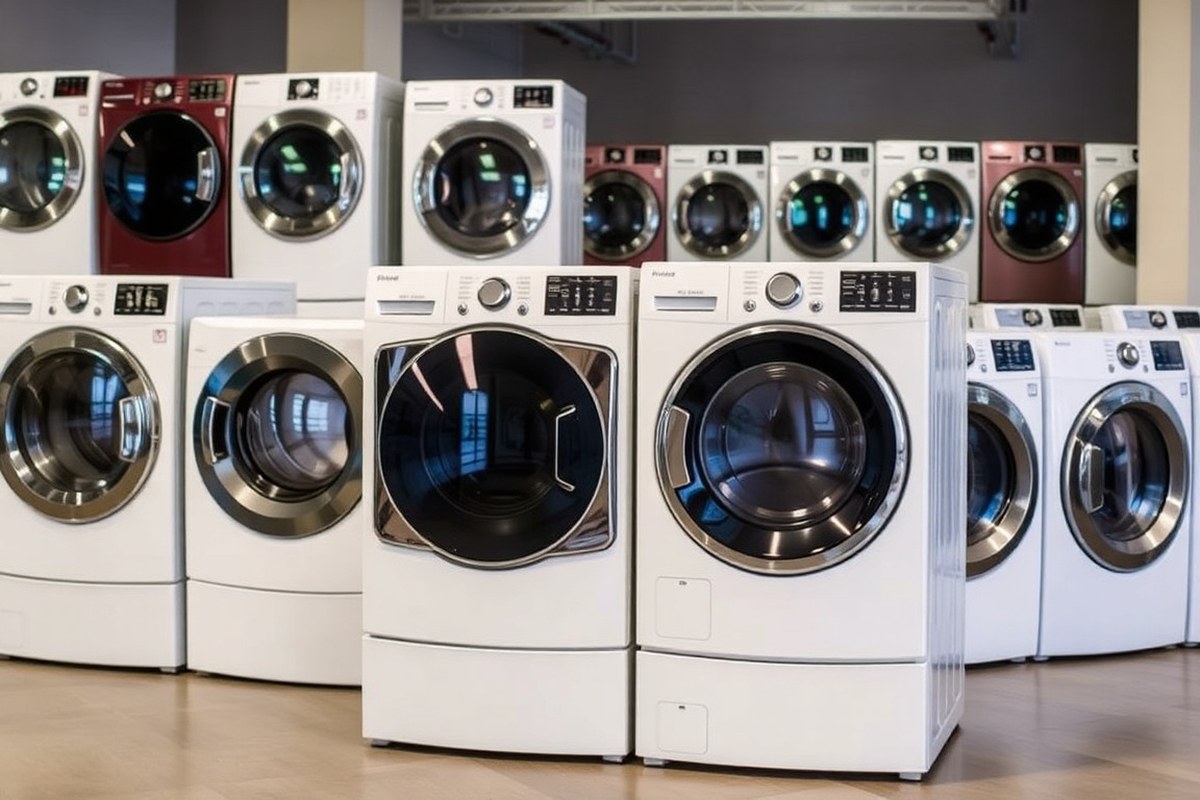
| Brand | Market Position | Strengths |
|---|---|---|
| Whirlpool | Leading US appliance manufacturer | Reliable build quality, extensive service network, efficient washing technologies |
| LG | Innovator in smart washer and dryer tech | Advanced sensor systems, energy-efficient cycles, large-capacity models |
| Samsung | High-tech features, stylish design | Smart connectivity, quiet operation, powerful drying options |
| Maytag | Durability focus, value pricing | Heavy-duty motors, long warranties, efficient cleaning performance |
| GE Appliances | Strong presence in American homes | Balanced price to performance, intuitive controls, good energy ratings |
Whirlpool remains a top choice in 2027 thanks to its reputation for durable washers and dryers. Its appliances feature PowerWash cycles and Load & Go dispensers that improve cleaning results with minimal effort. Reliability and widespread service access make Whirlpool a sensible pick if you want machines that last and avoid downtime. LG stands out by integrating more smart technology into laundry appliances. Features like AI Fabric Sensors detect fabric type and adjust wash settings, saving water and energy. LG’s TrueBalance anti-vibration system reduces noise, and their models often boast large drums, which suits families or heavy users. Expect to pay a bit more for these advanced capabilities but benefit from lower utility bills and gentle fabric care. Samsung’s washers and dryers appeal to buyers interested in style and connectivity. The brand’s SmartThings app allows you to monitor and schedule laundry remotely. Samsung’s Vent Sensor Dryer minimizes static and overheating accidents. Their appliances generally run quietly, making them suitable for open floor plans or small living spaces. Prices tend to hover around the premium segment, justified by innovations and modern design. Maytag offers a practical choice for users prioritizing longevity and simple operation. Their commercial-grade motors and sturdy components handle heavy loads and frequent use better than many competitors. Extended warranties that often span ten years on parts emphasize Maytag’s confidence in durability. These machines may not have the latest digital features, but for straightforward washing and drying, Maytag performs solidly at a more accessible price point. GE Appliances delivers good value by blending functionality with user-friendly design. Their washers often include adaptive wash technology that adjusts water levels and cycle length based on load size, saving resources. Many GE dryers feature precise moisture sensors, reducing drying time and preventing over-drying that can damage clothes. Energy-efficient cycles help keep electricity costs reasonable. This brand fits customers seeking dependable performance without steep prices or excess features. Choosing among these brands depends on your priorities. The more technologically advanced LG and Samsung models are ideal if convenience and fabric care matter most. Whirlpool balances reliability with smart features for all-around use. Maytag supports those needing rugged machines at moderate cost, and GE Appliances offers a balanced approach for practical users. Installation costs typically range from $100 to $200, depending on the complexity and location. Checking local energy rebates can also reduce ownership expenses for energy-efficient models.
Comparing Features and Performance Across Leading Brands
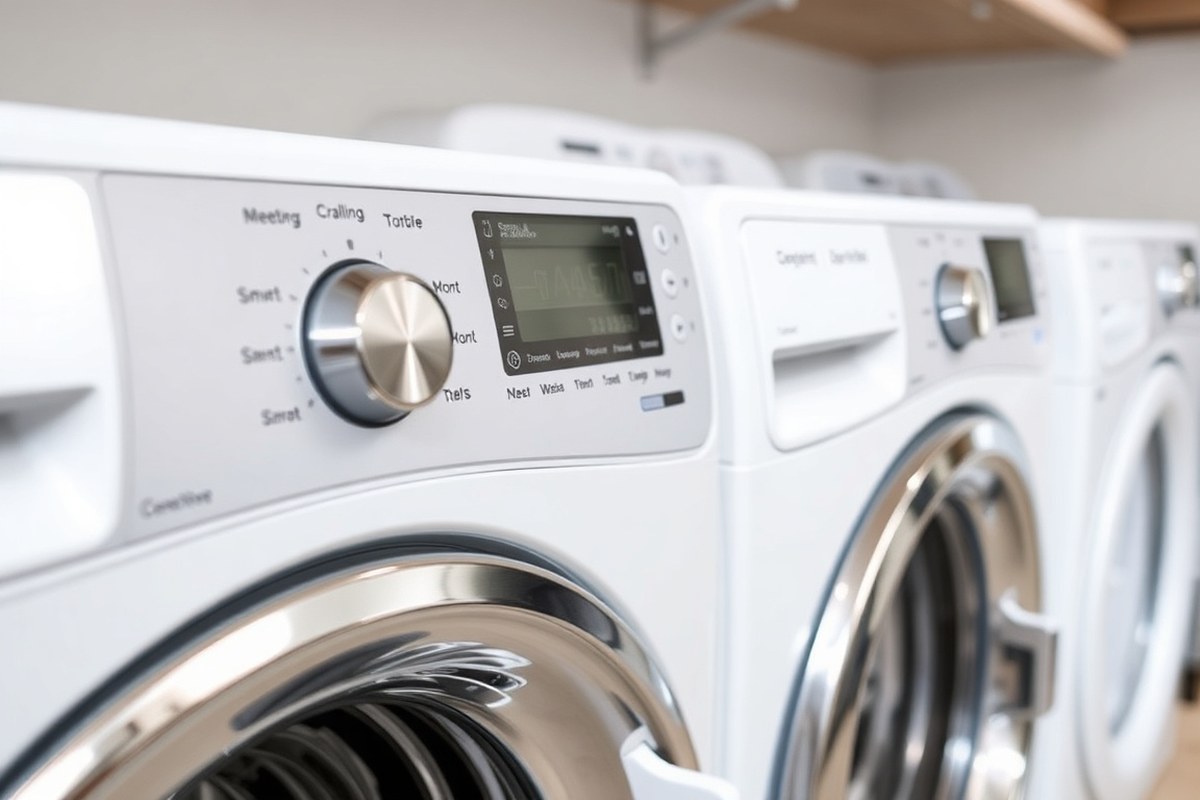
Top washer and dryer brands offer a range of features designed to improve cleaning, fabric care, and convenience. High-end models typically include multiple wash cycles, variable spin speeds, steam cleaning, and moisture sensors for drying. These technologies help reduce wear on clothes, shorten cycle times, and save energy. Brand performance varies with things like wash tank capacity, spin speed, and drying temperature control.
For example, washers with faster spin speeds (around 1200 to 1600 RPM) extract more water from clothes, cutting drying time and energy. Dryers with moisture sensors prevent over-drying by adjusting run time based on humidity levels inside the drum. Steam cycles can reduce wrinkles and sanitize fabrics without harsh chemicals. The ability to customize cycles or use smart features assists with delicate loads or heavy stains.
| Brand | Typical Spin Speed (RPM) | Dryer Moisture Sensor | Steam Cleaning Option | Capacity (Washer/Dryer, cu. Ft.) | Average Cycle Time (Wash/Dry, min) |
|---|---|---|---|---|---|
| Brand A | 1400 | Yes | Yes | 4.5 / 7.5 | 45 / 60 |
| Brand B | 1200 | No | Yes | 4.2 / 7.0 | 50 / 70 |
| Brand C | 1600 | Yes | No | 4.8 / 7.8 | 40 / 65 |
| Brand D | 1300 | Yes | Yes | 4.6 / 7.2 | 48 / 62 |
The table highlights key performance metrics to consider. Higher spin speeds often lead to shorter drying cycles and reduced energy use, but models vary by brand. Moisture sensors in dryers prevent fabric damage from overheating and save electricity by avoiding unnecessary run times. Steam features add the benefit of sanitizing and reducing wrinkles, which helps you cut down on ironing or dry cleaning costs.
Tip: To extend the life of your washer and dryer, avoid overloading them; filling machines beyond capacity often leads to longer cycle times and reduced cleaning or drying efficiency.
Selecting a washer and dryer also requires considering how features align with your laundry needs. Quickly drying large loads benefits from machines with higher capacity and moisture sensors. Owning mostly delicate or mixed fabrics might mean prioritizing steam options and cycle customization. Performance will depend on choosing the right balance of these features for your household, as more advanced technology may come with higher upfront costs.
Washer and Dryer Styles Available from Best Brands
Best brands offer a variety of washer and dryer styles to fit different spaces, family sizes, and laundry needs. Choosing the right style depends on your available space, how much laundry you do, and any specific features you prefer. Common styles include front-load, top-load, stackable units, and specialty models designed for unique situations.
Front-Load Washers and Dryers
Front-load washers and dryers are popular among brands like LG, Samsung, and Whirlpool. These machines have doors on the front, making them easy to load without bending over. They generally use less water and energy than top-load models and offer more gentle cleaning, which helps clothes last longer.
Front-load units often have larger capacities, suitable for medium to large families. They can handle bulky items like comforters more easily, making them versatile for various laundry loads. They typically cost more upfront, ranging from $900 to $1,500 for washer and dryer pairs, depending on features.
- Pros: Energy and water efficient, larger capacity, gentle on clothes, more cycle options
- Cons: Higher upfront cost, longer cycle times, bending required to load or unload
- Best for: Medium to large families, those with space to install side-by-side or stackable units
To get the best results from front-load washers, use HE detergent and clean the door gasket regularly to prevent mold buildup. Matching dryers usually feature sensor drying that adjusts time based on moisture levels, helping avoid damage from over-drying.
Top-Load Washers and Dryers
Top-load washers usually have a lid on the top and are often easier to load without bending. Brands like Maytag and GE sell both traditional agitator top-loaders and newer impeller models that are gentler and more water efficient. These washers typically have shorter cycle times than front-loaders.
Top-load washers generally cost less initially, with some models priced under $700 per unit. Their capacity can be smaller than front-loaders, making them better suited for small to medium households.
- Pros: Lower initial cost, shorter wash cycles, easy to add clothes mid-cycle
- Cons: Higher water and energy use, can be rougher on fabric, smaller capacity on budget models
- Best for: Small families, renters, or those with limited space who prefer a simpler design
Top-load dryers tend to be less expensive and might not have as many advanced sensor drying options as front-load models, but they still offer solid performance. These washers and dryers fit well where stacking isn’t a priority and space is lengthwise.
Stackable and Compact Laundry Units
Stackable washers and dryers are excellent for small spaces like apartments or condos. Brands such as Bosch and Electrolux offer compact front-load models specifically designed for stacking, saving up to 15 square feet of floor space compared to side-by-side units.
Compact washers typically hold between 2.0 to 3.5 cubic feet, ideal for 1-3 person households or those who do smaller laundry loads frequently. Stackable dryers complement these washers but may have shorter drying cycles due to smaller drum sizes.
- Pros: Space-saving design, ideal for tight layouts, often ENERGY STAR rated
- Cons: Smaller capacity, longer wash and dry times for large loads
- Best for: Small apartments, urban living, or laundry closets with vertical space only
These units may cost $1,000 to $1,500 combined but provide convenience when space is limited. Installation often requires stacking kits and proper ventilation considerations since compact dryers may be electric or ventless models.
Specialty Styles and Features
Leading brands also offer specialty washers and dryers designed for specific needs. High-efficiency or sanitizing cycles help those with allergies or infants. Some models include steam wash or dry cycles to remove wrinkles and odors.
Portable or drawer-style washers suit those who must move machines frequently or have no dedicated laundry room. These can cost less but have limited capacity, typically under 2.0 cubic feet, and longer cycles.
- Steam cycles for deeper cleaning and wrinkle reduction
- Sanitizing cycles targeting allergens and bacteria
- Combination washer-dryer units for very small spaces
- Portable or drawer washers for flexibility in small homes
- Additional features like smart connectivity and app control
Specialty styles often come with price premiums. Evaluate how much you’ll benefit from extra features versus standard models. For example, steam features raise prices by $200 or more but can improve fabric care. Combination units save space but typically have smaller capacities and longer cycles.
Price, Warranty, and Value Comparisons Among Top Brands
Prices for washers and dryers vary widely among top brands, ranging from budget-friendly models to high-end machines with premium features. Entry-level washers can start as low as $400 to $600, while premium models frequently cost $1,200 or more. Typically, front-loading washers and dryers with advanced technology or larger capacity come at higher prices. Knowing your budget and desired features can help you navigate these price differences effectively.
Warranty coverage is another important factor that affects overall value. Most brands offer a basic 1-year warranty covering parts and labor. Some leading manufacturers extend warranties on critical components, such as the motor or drum, from 5 to 10 years, which adds peace of mind and long-term savings on potential repairs. Checking the specific warranty terms is important since some brands require registration or offer different coverage levels depending on the model.
Value goes beyond initial cost and warranty. A well-built washer and dryer that performs reliably, uses energy efficiently, and requires little maintenance provides better value over time. Assess brands based on durability, repair costs, and operational costs to ensure the best long-term investment. In some cases, spending more upfront can save money over the appliance’s lifespan.
| Brand | Starting Price (Washers $) | Warranty Length | Key Value Points |
|---|---|---|---|
| Brand A | 499 | 1 year parts & labor; 10 years motor | Affordable price; long motor warranty |
| Brand B | 799 | 1 year parts & labor; 5 years motor | Midrange price; good energy efficiency |
| Brand C | 1,299 | 2 years parts & labor; 10 years motor and drum | Premium features; extended coverage |
| Brand D | 600 | 1 year parts & labor | Budget-friendly; basic warranty |
| Brand E | 1,100 | 1 year parts & labor; 7 years motor | High-end design; good resale value |
Evaluating washer and dryer brands for the best value means starting with a price comparison within your budget range, considering warranty terms carefully, and factoring in additional costs like energy use and potential repairs. Look for brands that provide longer warranties on critical parts, signaling confidence in their durability. Also, factor in how efficiently the machines operate, as energy-efficient models can reduce utility bills, offsetting higher purchase prices.
Energy Efficiency and Environmental Impact of Top Brands
Energy efficiency and water usage are key factors when choosing a washer and dryer. Leading brands offer models with high Energy Star ratings and reduced water consumption to save on utility bills and reduce environmental impact. You should also look for eco-friendly features like steam cleaning and moisture sensors that increase efficiency.
Understanding Energy Star Ratings and Water Usage
Energy Star ratings indicate compliance with strict energy efficiency guidelines set by the U.S. Environmental Protection Agency. A washer or dryer with this label typically uses 10 to 50% less energy than standard models. For example, an Energy Star certified front-load washer uses about 13 gallons of water per load compared to 27 gallons in older models. Front load washers generally use less water and energy than top load washers due to their tumbling wash action.
Dryers with moisture sensors stop the cycle once clothes are dry, reducing wasted energy and overdrying. Models from brands like LG and Whirlpool often feature these sensors and cycle optimizers that adjust drying time based on load size and fabric type.
Top Brands Leading in Energy and Water Efficiency
LG, Samsung, and Whirlpool consistently offer high-efficiency washers and dryers. LG’s front-load washers average 4.2 cubic feet capacity and use around 13 gallons per load, meeting Energy Star Most Efficient standards. Samsung’s eco-friendly washers include features like EcoBubble technology that cleans effectively at lower temperatures.
Whirlpool’s washers use adaptive wash technology to reduce water and energy consumption depending on load size. Many models include HE (high-efficiency) standards requiring less detergent and water.
Green Certifications to Look For
Besides Energy Star, look for certifications such as WaterSense for washers, indicating water efficiency 20% above federal standards. Some brands also obtain certification from the Consortium for Energy Efficiency (CEE), which recognizes advanced efficiency features.
Energy Star Most Efficient labels represent the cream of the crop each year, ensuring washers and dryers deliver top performance with minimal environmental impact. These models tend to cost more upfront but save money over time through lower utilities.
Tips for Eco-Friendly Laundry Practices
Use cold water cycles for most loads since heating water consumes 90% of a washer’s energy. Wash full loads but avoid overloading to maintain cleaning quality. Choose eco or quick wash cycles for lightly soiled clothes to reduce water and energy use.
Use high-efficiency detergents designed for front-load washers to prevent excess suds. For dryers, clean the lint filter after every use for safe, efficient drying. If possible, air drying clothes can eliminate dryer energy use completely.
Always check your washer’s manual for recommended water levels and cycles to maximize energy savings and prolong machine life.
Energy Rating Comparison Example
A typical Energy Star certified washer uses about 300 kWh per year and 11,000 gallons of water annually for moderate user households. Regular washers may use over 500 kWh yearly and 17,000 gallons of water. For dryers, efficient models consume around 2.3 kWh per cycle versus over 3 kWh for standard dryers. These differences add up to significant utility savings and lower carbon footprints, particularly in areas with high energy costs or water scarcity. Choosing the right combination of energy-efficient washer and dryer can reduce household energy use related to laundry by 20-50%, depending on load frequency and cycle selection.
Smart Features and Connectivity Options in Leading Sets
Leading washer and dryer brands offer a range of smart features and connectivity options designed to boost convenience and efficiency in your laundry routine. Most top models include Wi-Fi connectivity, allowing you to control and monitor cycles from your smartphone. Brands like LG, Samsung, and Whirlpool provide dedicated apps that let you start, pause, or adjust settings remotely, receive cycle status notifications, and access customized wash or dry programs.
Smart functions go beyond remote control. They often include cycle recommendations based on fabric type and soil level, usage tracking to optimize water and energy use, and integration with voice assistants like Amazon Alexa or Google Assistant. These features help reduce laundry time, avoid overwashing, and prevent damage to clothes. Some washers also feature automatic detergent dispensing linked to load size, improving cleaning performance and lowering detergent waste. Here is a comparison list of common smart features and connectivity options found in top washer and dryer brands:
- Wi-Fi app control for cycle management and status alerts
- Cycle customization with AI fabric and soil sensing
- Automatic detergent and softener dispenser
- Voice assistant compatibility (Alexa, Google Assistant)
- Smart diagnosis and troubleshooting via app
- Energy and water consumption monitoring
- Remote delayed start and cycle scheduling
Setting up a smart laundry system starts with downloading the brand’s app and connecting your appliance to your home Wi-Fi network. This process usually takes under 10 minutes and involves scanning a QR code on the machine or entering a setup code. Make sure your Wi-Fi signal is strong in the laundry area to avoid connectivity drops. Monthly data usage for these apps is minimal, typically under 50 MB, so it won’t affect home internet plans substantially.
Good results include timely alerts about cycle completion, fewer trips to the laundry room, and optimized resource usage, leading to lower utility bills over time. Watch for syncing delays or app crashes, which can occur if your phone’s operating system or appliance firmware is out of date. Updating both regularly and restarting devices can resolve most of these issues.
Smart technology suits different households differently. Larger families benefit from load tracking and notifcations that prevent forgotten laundry, while single-person households may appreciate scheduling features for off-peak energy use. Some budget models offer Wi-Fi control but limit app features, so weigh which functions matter most before investing.
Common Problems and Maintenance Tips for Top Washer and Dryer Brands
Top washer and dryer brands generally perform well, but users may face some common issues that affect their efficiency and lifespan. Regular upkeep and quick troubleshooting keep your machines running smoothly and avoid costly repairs. Knowing the typical problems and maintenance steps lets you spot trouble early and act effectively.
Frequent Washer Issues and Solutions
Common washer problems include failure to spin, leaks, and unusual noises. These arise from factors like worn belts, clogged drain pumps, or unbalanced loads. For example, Samsung washers often show drain pump blockages, while LG models may experience door latch issues.
Troubleshoot by checking the load balance and redistributing clothes if the washer won’t spin. Clear any lint or debris around the door seal to prevent leaks. For persistent noises, inspect the drive belt or suspension springs for wear. Some brands use beltless direct drive motors, which reduce belt-related problems but may require professional service if motor errors appear.
Common Dryer Problems and Fixes
Dryers frequently face issues such as overheating, not heating at all, or tumbling problems. Overheating often results from clogged vents, a problem common in many brands including Whirlpool and Maytag. Dryers that don’t heat could have faulty heating elements or blown thermal fuses.
If the dryer tumbles but doesn’t heat, start by cleaning the lint filter and exhaust vent thoroughly. Use a vacuum or compressed air to clear vent pipes every six months to improve airflow and reduce fire risk. Test the thermal fuse with a multimeter if heating issues persist. No tumbling might point to belt breakage or motor failure, both needing part replacement.
Routine Maintenance Best Practices
Performing regular maintenance extends appliance life and ensures consistent performance. Create a checklist based on manufacturer recommendations and your usage level. Monthly tasks include cleaning lint traps and wiping down seals, while every six months you should inspect and clean exhaust vents and check hoses for cracks or leaks.
- Clean lint filter before or after every dryer use to prevent blockages
- Inspect washer hoses every six months, replacing cracked or bulging ones
- Run an empty hot water wash with a washing machine cleaner monthly to remove detergent buildup
- Check and clean the washer’s drain pump filter quarterly to avoid clogs
- Vent cleaning using a vacuum or vent brush every six months
- Leave washer door open after use to prevent mold and mildew growth
- Level machines properly to prevent vibration and premature wear
Costs for basic supplies like hose replacements or drum cleaners typically range from $10 to $30. Maintaining cleanliness in drainage and ventilation is critical for safety and efficiency. Skipping these steps can lead to costly repairs usually tied to motor strain or water damage.
When to Call a Professional
Complex issues such as motor failure, electronic control malfunctions, or major leaks require professional service. Attempting repairs on these may void warranties or cause damage. Signs that need a technician include persistent error codes, water pooling under the appliance, or electrical burning smells.
Scheduling annual checkups with a qualified technician can catch wear before breakdowns, especially for high-end brands like Bosch or Electrolux with advanced sensors and controls. Use manufacturer-approved service centers to ensure proper parts and expertise. In emergencies such as floods or sparking, disconnect the appliance and seek professional help immediately.
How to Choose the Right Brand and Model for Your Needs
Choosing the right washer and dryer brand and model depends on your lifestyle, available space, and budget. The goal is to find appliances that handle your typical laundry load efficiently without overspending or buying features you won’t use. Consider your household size and how often you wash clothes, as these factors affect what capacity, cycle options, and durability you need. Matching the appliance to your space, whether a compact laundry nook, full laundry room, or closet setup, is equally important to avoid installation headaches or operational limits.
Start with a clear profile of your laundry needs and home constraints. Small families or singles usually do fine with compact, energy-efficient models with basic cycles. Larger households with frequent laundry needs require higher-capacity washers and dryers, often with faster cycle times to keep up. Budget buyers should focus on models offering solid performance with fewer bells and whistles, while those investing for the long term might prioritize durability and advanced features like steam cleaning or smart connectivity. Following these steps will guide you to the right brand and model, helping balance features, space, and cost to fit your routine.
- Assess your laundry volume. Count the average number of loads per week and estimate typical load size. For 1 to 2 people, 2.5 to 3.5 cubic feet capacity washers and dryers usually suffice. Families of 4 or more benefit from 4.5+ cubic feet capacity to avoid multiple cycles daily.
- Measure available space. Use a tape measure to record width, depth, and height of the laundry area. Compare that to the appliance clearance requirements noted in product manuals. Choose front-load models if you need stacking options or smaller footprints.
- Set your budget. Entry-level sets can start around $700, mid-range models $1,000 to $1,500, and premium sets can exceed $2,000. Higher-priced models generally offer better durability, efficiency, and features.
- Identify must-have features. Decide if you want steam cycles, allergen reduction, quick wash options, or smart controls. Avoid paying extra for features you’ll rarely use.
- Check energy ratings. Look for ENERGY STAR certified models to reduce utility bills and environmental impact. Efficient washers use about 13-15 gallons per wash, with dryers using less electricity with moisture sensors.
- Read reviews and reliability ratings. Brands with consistently high customer satisfaction and strong warranties tend to have fewer repair issues. Consider service availability in your area.
- Plan installation logistics. Confirm that hookups for water, venting (for dryers), and electrical outlets meet the specifications for your chosen model. Renters should check landlord rules.
Make sure to prioritize capacity and space compatibility before features; an oversized appliance that doesn’t fit or runs empty wastes energy and money.
Step-by-Step Action Plan for Picking Your Washer and Dryer Brand
Follow these steps to find the best washer and dryer brand tailored to your home and laundry needs.
- Start now: List your laundry priorities like capacity, energy usage, and smart features, so you know what matters most to you.
- Within 2 days: Research the top brands for 2027, focusing on their reliability and warranty terms, and check user reviews to confirm quality.
- Within 1 week: Compare product styles and sizes from those brands to ensure they fit your space and lifestyle.
- Within 10 days: Review and compare energy efficiency ratings to estimate your potential savings and environmental impact.
- Within 2 weeks: Visit stores or websites to check availability and pricing, aiming to find models with warranties that match your comfort level.
- Within 3 weeks: Read maintenance tips for your chosen brand to understand upkeep and avoid common problems.
- After purchase: Set up your new washer and dryer according to manufacturer instructions and monitor their performance to ensure everything runs smoothly.
Frequently Asked Questions
What Are the Newest Fabric Care Technologies Introduced by Washer and Dryer Brands In 2027?
Leading brands introduced steam cycles and sensor drying to improve fabric care and reduce wrinkles. These features help your clothes last longer by minimizing wear during washing and drying.
Can I Find Eco-Friendly Washers and Dryers That Save Water and Power Without Hurting Cleaning Performance?
Yes, many top brands now offer Energy Star-certified models using less water and electricity while maintaining strong cleaning. Choosing these can lower your utility bills and environmental footprint.
Do Washer and Dryer Brands in 2027 Support Easy Repair with Replaceable Parts?
Some brands design appliances for easier part replacement and longer life, but not all. Look for brands offering accessible manuals and parts to reduce repair hassle.
Which Brands Provide the Best Customer Support and Service for Washers and Dryers?
Brands like Whirlpool and LG often rank high for customer service, offering handy apps and responsive helplines. Good support can save you time and stress if issues arise.
Are There Washer and Dryer Brands Focusing on Quiet Operation for Smaller Living Spaces?
Yes, brands such as Bosch and Miele offer models specifically designed for quiet performance, ideal for apartments. This helps reduce noise without sacrificing cleaning quality.
What New Safety Features Do Top Washer and Dryer Brands Include in 2027 Models?
Many models come with advanced child locks, overheat protection, and auto shutoff capabilities to keep your home safe. These features prevent accidents and energy waste.
Final Thoughts
Choosing a washer and dryer brand for 2027 means balancing features, reliability, and cost with your specific needs. Focus on the brands that earn strong reviews and offer warranties that protect your investment. Start by narrowing your choices based on your priority features and visit retailers to experience the models firsthand. Taking this step now puts you on track for a easy laundry upgrade.
7 Comments