
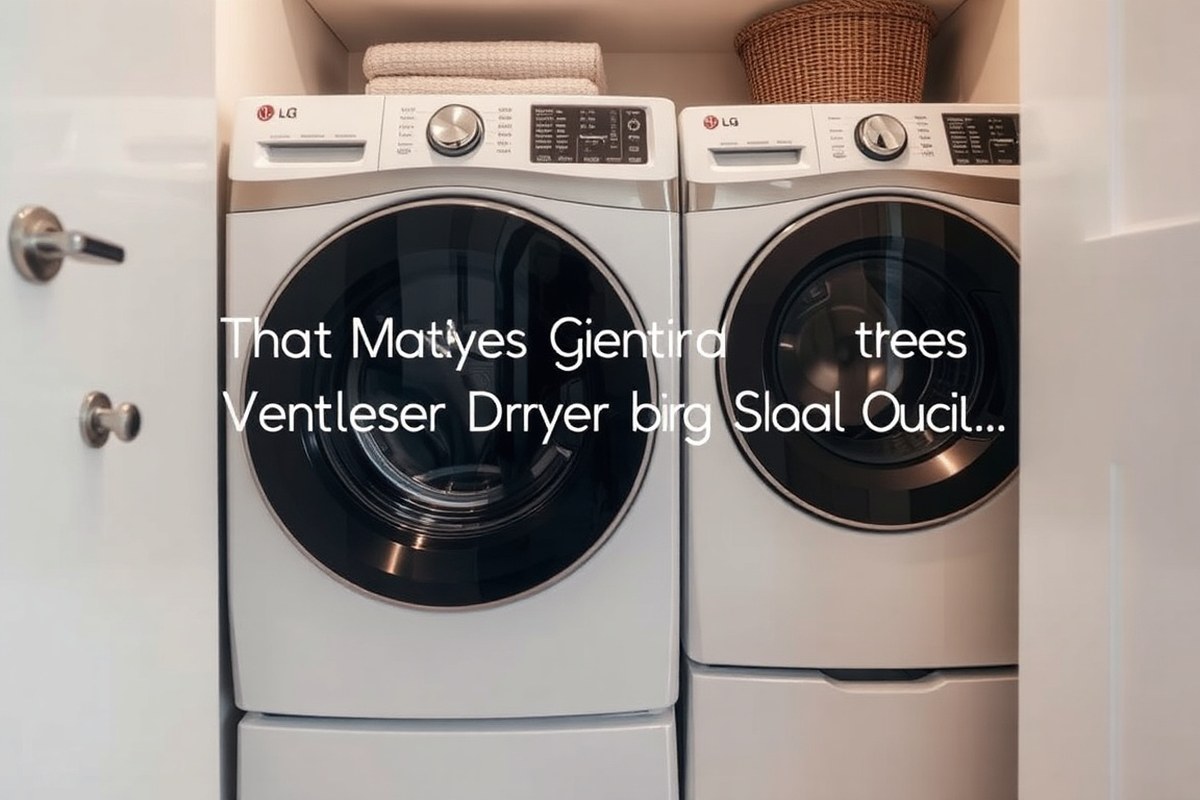
What Makes LG Ventless Washer Dryer Models Stand Out? Key Benefits and Features Explained
What Makes LG Ventless Washer Dryer Models Stand Out? These units combine space-saving designs with ventless technology that cleans and dries efficiently in a single drum without a traditional vent. Their compact size and advanced features suit small homes, apartments, and energy-conscious users looking for all-in-one solutions. LG’s ventless washers offer gentle fabric care while maximizing convenience, making them ideal for households with limited space and moderate laundry loads.
These models are designed for homeowners and renters who want to optimize their laundry area without compromising on performance. Expect clear insights on how LG’s ventless technology works, the space advantages, typical installation steps, and which models fit various household sizes and laundry needs.
Key Takeaways
- LG ventless washer dryers use a single drum to wash and dry clothes, eliminating the need for a traditional vent.
- Their compact depth, some as shallow as 30 1/16 inches, saves valuable space in small homes and apartments.
- Ventless technology reduces energy use, offering efficient wash and dry cycles suited for smaller laundry loads.
- Models like the LG WM6998HBA combine power and convenience with a 2.3 cu. Ft. Capacity in one appliance.
- Installation requires no external venting but should follow manufacturer guidelines to ensure proper airflow and drainage.
- Typical wash and dry cycles take nearly three hours, trading time for the convenience of unattended laundry completion.
What Unique Features Distinguish LG Ventless Washer Dryer Models?

LG ventless washer dryer models distinguish themselves through a combination of advanced technologies and user-focused design tailored for compact living spaces. At the core of these units is heat pump technology, which uses a closed-loop system to capture and recycle heat during drying cycles. This method operates at lower temperatures than traditional vented dryers, reducing energy use by up to 50% and providing gentler care for delicate fabrics. The ventless design eliminates the need for external ductwork by condensing moisture inside the unit, making these models ideal for apartments, condos, or homes where installing a vent is impractical.
Capacity is another key differentiator in LG’s ventless lineup. Smaller models typically offer around 2.3 cubic feet of washing and drying space, suitable for singles or couples, while premium options like the LG WM6998HBA deliver a spacious 5.0 cubic feet. This higher capacity supports the needs of larger households, allowing you to wash and dry bulky items like comforters or large loads in one cycle. The all-in-one design integrates both washing and drying functions within a single drum, saving floor space without compromising on performance.
LG ventless models include smart features that improve convenience and efficiency. Using the LG ThinQ app, you can remotely monitor cycles, start or pause the washer dryer, and receive maintenance notifications, keeping laundry management smooth even when you’re away from home. Some models provide custom cycle options to cater to various fabric types and soil levels, ensuring optimal cleaning and drying outcomes with minimal effort. These app-based controls mean you can schedule laundry around your day, save your preferred settings, and troubleshoot minor issues using guided diagnostics.
The ventless design benefits home laundry setups by improving flexibility in installation. Without the need for a vent hose, you can place these units in closets, bathrooms, or compact laundry nooks where traditional vented dryers can’t fit. This flexibility helps save valuable space and avoids costly modifications like cutting new vent openings. They also produce less heat and humidity in the laundry area, reducing risks related to mold or condensation often caused by vented dryers without proper exhaust.
While LG ventless washer dryer models typically command a higher upfront price than vented units, their energy savings, fabric care, and space advantages often justify the investment. Models with advanced heat pump drying technology and large capacities usually cost more but deliver superior performance and convenience. Regular users find the cost worthwhile, especially if venting options are limited or if energy efficiency is a priority.
To select the right LG ventless washer dryer, consider your household size, laundry volume, and space limitations. Smaller 2.3 cu. Ft. Models suit low-demand scenarios, while the 5.0 cu. Ft. WM6998HBA meets the needs of large families. Assess how much you value smart home integration and which cycles are essential for your fabrics. Installation is straightforward without venting, but space for ventless water drainage and electrical connections must be planned. Ensuring proper setup helps these models operate efficiently and deliver the gentle, thorough washing and drying performance LG is known for.
How Does LG’s Ventless Technology Work to Wash and Dry Clothes Efficiently?
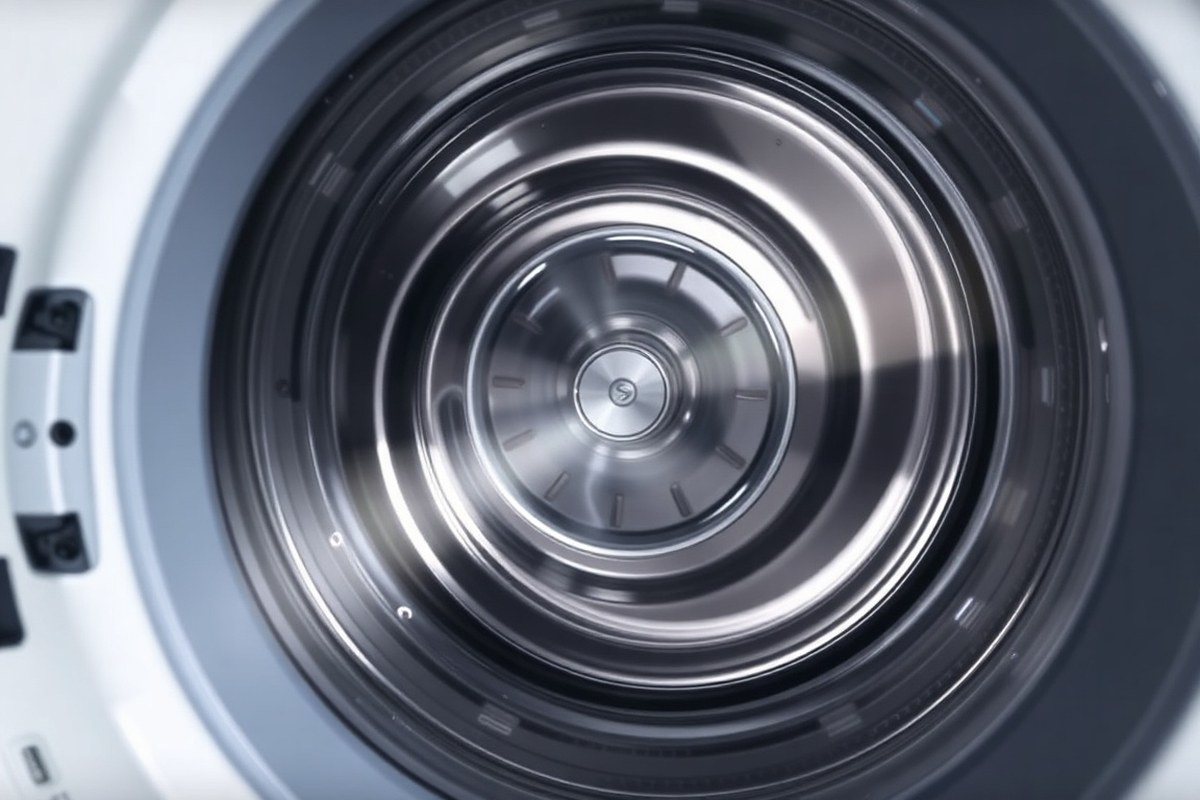
LG ventless washer dryer models operate without external venting by using advanced heat pump technology combined with water condensation to efficiently wash and dry clothes in one unit. Instead of expelling moist air outside, these machines recycle heated air inside the drum to remove moisture and dry fabrics. This method suits small spaces or apartments where vent installation is impossible or impractical.
The core of LG’s ventless drying system is its heat pump cycle. This system heats air to a moderate temperature, usually between 104°F and 122°F (40°C to 50°C), which is lower than traditional dryers. The warm air circulates through the clothes, absorbing moisture during tumbling. It then passes through an evaporator that cools the air, causing the moisture to condense into water, which is collected in a reservoir or drained away. The cooled air is reheated and sent back into the drum, creating a continuous loop that gently but thoroughly dries the load.
This cycle eliminates the need for external venting and prevents humidity from building up in your home, which can cause mold or damage over time. The heat pump process uses approximately 28 to 50 percent less energy than conventional vented dryers, according to Energy Star data, making it both eco-friendly and cost-effective. It also reduces wear on clothes by drying at lower temperatures.
Before drying, the washer performs a high-speed spin to remove excess water, which shortens drying time. A combined wash and dry cycle in LG models can take about two hours and 50 minutes from start to finish, longer than separate units but more convenient since you do not have to move clothes between machines. The built-in sensor dry feature monitors moisture and temperature levels to prevent over-drying, conserving energy and protecting fabrics.
Without a vent, LG tackles lint by directing airflow through a filter that traps particles before the air loops back through the system. This filter requires regular cleaning to maintain efficiency and avoid clogs. Moisture collected from drying goes into an internal tank or drains out with the water supply, so you’ll need to empty the tank occasionally or ensure proper drainage when installing the unit.
Heat pump ventless dryers work best in spaces where external venting is not an option and provide flexibility in placement, such as closets, bathrooms, or small laundry rooms. Although drying times are longer than traditional dryers, the energy savings and reduced installation effort make these units a strong choice for small households or apartment dwellers prioritizing convenience and efficiency.
Regularly clean the lint filter and empty the condensed water reservoir to maintain optimal drying performance and prevent indoor humidity buildup.
What Space-Saving Advantages Do LG Ventless Models Offer for Small Homes?
LG ventless washer dryer models are ideal for small homes and condos because they maximize space without sacrificing laundry capacity or function. Their compact sizes fit into tight laundry rooms, closets, or kitchen nooks where traditional units won’t. Many models measure about 24 inches wide and have reduced depth compared to standard washers and dryers, which often exceed 27 inches wide and require venting space. The ventless design eliminates the need for external venting, allowing installation in places without walls or windows to accommodate vents, such as basements or interior closets.
Space-saving goes beyond just size since LG offers both all-in-one combo units and stackable pairs. Combos combine washing and drying in one machine, typically saving at least half the floor space compared to side-by-side units. Stackable front load washers and dryers can be positioned vertically, allowing you to fit full-capacity machines within a footprint about the size of a single appliance. This flexibility makes it easier to tailor laundry setups to the exact dimensions of your space, even when electrical or plumbing access is limited to a small area. The following table shows examples of popular LG ventless washer dryer models, highlighting their washer and dryer capacities and types to help you compare space options and match a model to your household size and room constraints:
| Product | Type | Washer Size (cu. Ft.) | Dryer Size (cu. Ft.) | Finishes |
|---|---|---|---|---|
| LG WashCombo™ All-in-One | All-in-One | 5.0 | 5.0 | Black Steel |
| LG Smart Compact All-In-One Washer-Dryer | All-in-One | 2.4 | 2.4 | Graphite Steel, White |
| LG Front Load WashTower™ | Tower (Stacked) | 4.5 | 7.4 | Graphite Steel, White, Candy Apple Red |
The 5.0 cubic feet capacity of the LG WashCombo™ suits small to medium households managing roughly 3 to 5 loads per week, a typical range for condos or small houses. The WashTower™ models split washing and drying into separate compartments stacked vertically, offering a larger dryer size of 7.4 cubic feet while conserving floor space. These tower units provide more powerful drying options suited for heavier or bulkier laundry but need a bit more depth than the smallest combos.
Installation is simplified by their ventless nature and compatibility with standard 120V outlets. This plug-and-play setup avoids costly rewiring or installing vents. LG ventless models often feature front controls positioned ergonomically at mid-height, reducing the need to bend. Before installation, you should measure your laundry area depth and width carefully, allowing a 1 to 2-inch clearance around units for air circulation, and verify plumbing hookups. Although premium models exceed $3,000, many solidly featured combos, like the WM3555HVA, fall between $1,400 and $1,600, balancing cost with space-saving convenience.
Some common pitfalls to watch for include underestimating the depth required if your area has uneven walls or protruding pipes, which can limit unit placement. Ventless dryers typically take longer to dry compared to vented models, so space-conscious setups may need timing adjustments in laundry routines. Selecting the right model depends on striking a balance between space limitations, household laundry volume, and desired features.
How Do LG Ventless Washer Dryers Deliver Effective Cleaning and Gentle Fabric Care?
LG ventless washer dryer models provide effective cleaning while protecting your clothes through advanced wash and dry cycles tailored to various fabric types. Their AI-driven technology adapts to load size, soil level, and fabric texture to optimize both stain removal and fabric care. Steam and allergen removal features further improve cleanliness, making these models a solid choice for homes seeking efficiency without sacrificing gentleness.
Diverse Wash and Dry Cycle Options
LG’s ventless washer dryers offer a wide variety of wash programs, typically ranging from 14 to 23 cycles depending on the model. These cycles cover everything from heavy soil to delicate fabrics, allowing you to pick the right setting for every load. For instance, TurboWash® technology uses powerful jets to drive cleaning in as little as 30 minutes, cutting wash time without compromising results. AI Wash + Dry cycles automate this process by using sensors to detect the load’s soil level, size, and fabric type, selecting the optimal combination of wash motions, water temperature, and spin speed.
The drying cycles complement the wash options with features like AI Sensor Dry and Sensor Dry that adjust heat and drying time based on residual moisture. This helps prevent over-drying which can damage fabrics. You’ll also find settings like wrinkle-release and delicate dry that apply gentler heat and tumbling actions, protecting your clothes while ensuring effective drying. These intelligent cycles streamline your laundry routine, especially when you only have limited time.
Allergen and Steam Cleaning Technology
LG ventless models incorporate steam functions that help target allergens and refresh garments. The steam cycle usually activates toward the end of the drying process or can be run as a quick steam refresh before wearing clothes. This feature uses high-temperature steam to break down allergens such as pollen and dust mites, making it particularly beneficial for those with sensitive skin or respiratory issues.
Apart from allergen reduction, steam assists in loosening dirt and wrinkles, enabling cleaner results with less mechanical wear on fabrics. This gentle approach minimizes the need for harsh chemicals or repeated washing, extending garment life. The steam cycles typically last between 20 to 40 minutes, striking a balance between efficiency and effectiveness for common household laundry needs.
Fabric Care and Delicate Cycle Benefits
Protecting delicate fabrics is a priority in LG ventless washer dryers, achieved through AI DD™ technology that identifies fabric types and adjusts wash motions accordingly. Instead of harsh agitation, the machine uses appropriate motions like gentle tumbling for silks, wools, or blended fabrics, minimizing fabric stress and shrinking. During drying, the drying rack accessory allows you to air-dry sweaters, pillows, or shoes without tumbling, preventing fabric distortion.
LG ventless washers’ stain removal benefits stem from deep water wash features combined with strong but controlled agitation, ensuring soils lift effectively while safeguarding material integrity. While cycle times can be longer than traditional washers, this approach results in cleaner fabrics without rough treatment that can shorten fabric lifespan. The spin cycles reach speeds sufficient to extract most water, which helps the ventless drying system operate more effectively, avoiding damp spots that can occur with less efficient models.
What Are Typical Installation Steps and Considerations for LG Ventless Washer Dryers?
Installing an LG ventless washer dryer requires careful planning of space, plumbing, and electrical connections. These models do not need an exhaust vent, which simplifies placement but still demands proper hookups and clearance. Following installation steps precisely ensures the unit works efficiently and avoids common problems like drainage issues or power overloads.
Preparing Space and Utilities
Start by selecting a location with enough room to fit the unit plus access for maintenance. Most LG ventless washer dryers are about 24 inches wide and designed to fit into compact spaces such as closets or small laundry nooks. Clear at least 1 to 2 inches around the sides and back for ventilation and prevent overheating.
Make sure the floor can support the unit’s weight, usually around 150 pounds when filled with clothes and water. The spot should have nearby cold and hot water supply lines and a drain outlet within a few feet. Since these washers do not need venting, you can place them in apartments or rooms without external walls.
Connecting Water and Drain Lines
Correct plumbing setup is critical to avoid leaks or drainage problems. Connect the hot and cold water valves to the matching inlets on the washer dryer. Use reinforced stainless steel braided hoses to prevent kinks or bursts. Ensure the drain hose is secured and directed into a utility sink, standpipe, or floor drain to handle the wastewater.
LG ventless units collect water during drying cycles and expel it through the same drain system, so improper drainage can cause water to back up inside the unit. Check that the drain pipe height aligns with manufacturer specs, usually about 24 inches from the floor, to prevent siphoning or overflow.
Electrical Setup and Power Requirements
LG ventless washer dryers generally require a standard 120V outlet, but some models need a dedicated 20-amp circuit breaker. Confirm the electrical rating on your unit’s label and inspect your home’s panel to assign a proper circuit. Avoid using extension cords or power strips, which can cause voltage drops and increase fire risks.
Install the machine near an outlet to avoid stretching the power cord, which is typically 5 to 6 feet long. Make sure the outlet is grounded and tested for correct polarity. Ground-fault circuit interrupter (GFCI) outlets are recommended in moisture-prone laundry areas to reduce shock hazards.
Final Setup and Testing
Once plumbing and electrical are connected, level the washer dryer using the adjustable feet to prevent vibrations during operation. Plug in the unit and run a short wash cycle without clothes to check water fill, drainage, and spin functions. After washing, start a drying cycle to confirm the condensation and water removal system works properly.
Inspect the drain door at the bottom right after initial use and clean out any lint or hair if needed, as buildup can clog water flow and reduce efficiency. Monitor the first few cycles closely to catch leaks, unusual noises, or error codes early. Professional installation might be worth the cost if your setup requires new piping or electrical upgrades.
- Choose a well-ventilated area with access to water supply and drainage.
- Ensure the floor is level and strong enough to support the washer dryer’s weight.
- Connect hot and cold water supply hoses securely to the corresponding valves.
- Attach the drain hose to a suitable drainpipe or utility sink at recommended height.
- Verify the electrical outlet matches the unit’s power requirements and is properly grounded.
- Level the appliance using adjustable feet to prevent excess vibration.
- Run a test wash and dry cycle to confirm proper operation and drainage.
- Clean the drain filter or trap regularly to avoid clogs affecting performance.
Do not install the unit on an unstable or unlevel surface; this can cause excess noise, damage internal parts, and shorten the appliance’s lifespan.
How Energy Efficient Are LG Ventless Washer Dryer Models Compared to Traditional Units?
LG ventless washer dryer models are notably more energy efficient than traditional vented dryers, largely because they use heat pump technology. This technology recycles heat during the drying process, cutting electricity consumption by up to 50%, depending on the model and how you use it. These units operate at lower temperatures, around 120 to 140 degrees Fahrenheit, which not only saves energy but also protects your clothes from shrinkage and fabric damage.
Energy Star certification on many LG ventless models confirms their efficiency. Compared to a conventional vented dryer, which uses a heating element to expel hot air through a vent, LG’s heat pump dryers extract moisture using recycled heat inside a sealed system. This design means they use about half the electricity, which results in noticeable savings on utility bills over time, despite a higher upfront cost for the appliance itself.
Water usage is also optimized in LG’s ventless washer dryer combos. These models generally use less water and detergent by precisely controlling the wash cycles and reusing condensed water during drying. Using less water translates into lower energy demands, as the appliance requires less heat to reach operating temperatures.
Drying times on LG ventless models tend to be longer than on traditional vented dryers, often taking 10 to 15 minutes more per load. This is a trade-off for the improved energy efficiency and gentler drying temperatures. To reduce drying time without sacrificing energy savings, choose models with higher drying efficiency ratings. Setting appropriate load sizes, avoiding overloading, can also speed up drying and improve overall performance.
For small households or apartments where space and energy use both matter, LG ventless models offer distinct advantages. Their compact design means you can install them almost anywhere without complex venting requirements. Cost savings on annual energy bills frequently compensate for the higher initial purchase price after two to three years of typical use.
Keep in mind that while ventless dryers save on electricity, their drying performance can vary based on laundry type and load size. Heavier fabrics like towels and jeans may need longer cycles. Using lower heat settings and smaller loads helps maintain energy savings and protects your clothes.
In summary, LG’s ventless washers and dryers deliver significant energy and water savings compared to traditional vented units through heat pump technology and careful control of temperature and moisture. Expect longer drying times but lower utility costs in return. Choosing the right model for your laundry volume and practicing mindful load management will maximize efficiency and savings.
Which LG Ventless Models Best Suit Different Household Sizes and Laundry Needs?
Choosing an LG ventless washer dryer depends largely on your household size and laundry routines. Singles or couples might find smaller combo units with around 2.3 to 3.7 cubic feet capacity ideal, handling moderate loads efficiently in one drum. Families or heavy users benefit from stacked washer and dryer sets that offer separate, often larger drums, around 4.5 to 5.3 cubic feet for washers and up to 8 cubic feet for dryers, allowing more laundry per cycle and specialized care.
All-in-one combo models provide convenience for limited spaces and moderate laundry but usually have smaller drying capacities matching their washer size, limiting large or bulky drying loads. Stacked units, with separate appliances, typically have larger dryer capacities to let clothes tumble freely, which improves drying and fabric care for heavy or large loads.
Price and features vary with model size and cycle variety. Smaller combos with fewer cycles (around 7 to 14) range on the lower end of the price spectrum, suitable for basic wash and dry needs. Premium stacked sets often offer 12 to 16 wash cycles and 7 to 13 drying cycles, including sanitize, allergen, and gentle fabric care cycles, justifying their price for those needing delicate care or handling heavy weekly laundry. To clarify differences, here is a table showing select LG ventless models, their cycles, and capacities:
| Product Name | Wash Cycles | Washer Capacity (cu.ft.) |
|---|---|---|
| LG WT8405CB | The LG ventless washer dryer includes various cycle options such as normal, whites, soak, turbo wash 3D, express, heavy duty, and quick, designed to meet diverse laundry requirements with efficiency. | 5.3 |
| LG WM4000HWA | 7 (normal, delicates, sanitize, allergen, heavy-duty, permanent press) | 4.5 |
| Insignia NS-TWM35W1 | 8 (normal, eco, quick wash, colors, bulky, delicates, towels) | 3.7 |
Select a model closest to your typical laundry load by applying this rule: multiply your average weekly laundry weight by the number of washes per week you want to run. For example, if you wash roughly 12 pounds per load twice a week, a 4.5 cu. Ft. Washer like the WM4000HWA fits well, providing enough room without multiple overloads.
Heavy users should prefer stacked sets with larger washer capacity (above 5 cu. Ft.), which reduces the number of cycles and wear on clothes. For delicate care, models offering specialized cycles like allergen or sanitize deliver better fabric protection. Budget-conscious singles or couples can choose compact all-in-one combos with basic but adequate cycles to meet everyday laundry without excess features or cost.
What Maintenance Practices Ensure Longevity and Performance in LG Ventless Units?
Maintaining LG ventless washer dryer models demands regular cleaning of filters and key components, timely replacement of worn parts, and addressing common issues promptly to ensure efficient performance and longer lifespan. These steps prevent overheating, fabric damage, and costly repairs, keeping your unit running quietly and effectively for up to 15 years with proper care.
Routine Cleaning and Filter Care
Regular cleaning is important for ventless models, especially the lint filter and condenser or heat exchanger filters, which can clog faster than in traditional dryers. Clean filters after every load or at least once a week under normal use to prevent airflow restriction that reduces drying efficiency and raises energy use. The drum should be wiped down monthly with a damp cloth to remove detergent residues and prevent mildew, while door seals benefit from a monthly check for debris or buildup. To clean your LG ventless unit filters:
- Remove the lint filter located near the dryer door; rinse under running water until clear.
- Locate the condenser or heat exchanger filter behind a front panel; gently pull out and rinse it, letting it dry completely before reinserting.
- Wipe the drum using a soft cloth with mild soap, avoiding abrasive cleaners.
- Check and clean the detergent drawer and inlet filters every three months.
- Leave the door or lid open after cycles to air dry inside the drum and prevent moisture buildup.
Routine cleaning retains drying speed and protects sensitive TurboWash® technology components. Neglecting cleaning can lead to longer drying times and increased wear on the motor and sensors.
Recognizing and Fixing Common Problems
Frequent issues with LG ventless washer dryers often involve poor drying, error codes, and unusual noises, mostly due to clogged filters or unbalanced loads. If your clothes take longer than usual to dry or still feel damp, clean the filters thoroughly and reduce the load size. Error codes displayed on the panel can usually be matched with the manual; common codes indicate sensor errors or water drainage issues.
Noise during spin cycles may mean unbalanced items, or worn drum bearings that require inspection. Electrical or control panel faults should prompt immediate professional attention to avoid further damage.
Always disconnect power before inspecting or cleaning internal parts to avoid injury or electrical shock.
Scheduling Professional Maintenance
Every one to two years, or sooner in heavy use households, schedule a licensed technician to perform a deep inspection and service. Professionals can test critical components like the heat pump, water pump, and electronic control board, replacing parts such as belts or seals before failure causes larger problems. While general cleaning is user-friendly, internal parts need specialized tools and expertise.
Costs for professional maintenance vary but expect around $100 to $200 depending on service depth and local rates. Warranty coverage may include some repairs within the first year but check your specific terms. Prompt professional servicing not only extends lifespan but maintains the efficiency that saves on energy bills over time.
Tips to Maximize Dryer and Washer Life
Several habits help preserve your LG ventless model’s performance. Avoid overloading to reduce strain on the motor and suspension. Use recommended detergents in proper amounts to prevent residue buildup that can clog sensors. Running periodic cleaning cycles with eco-friendly washing machine cleaners keeps the drum and hoses fresh and rust-free.
- Leave the door open post-cycle to air the drum and prevent mold
- Check inlet hoses yearly for cracks or leaks
- Follow manufacturer guidelines for load sizes and cycle selection
- Remove lint and condenser filters consistently after drying
- Avoid detergent overdosing to cut down on buildup and sensor faults
- Use the Wi-Fi enabled app to monitor machine status and run diagnostics remotely
Maintaining these routines balances the gentler fabric care with the high efficiency LG technology offers, ensuring your unit stays quieter and cleaner than traditional dryers for years.
Step-by-Step Action Plan for Using Your LG Ventless Washer Dryer
Follow these steps to get the most from your LG ventless washer dryer and ensure it fits smoothly into your home routine.
- Before Installation: Measure your laundry space carefully to confirm your chosen LG model fits and plan for an electrical outlet nearby. Success means no tight squeezes or extension cords.
- Day 1 – Installation: Follow LG’s installation guide or hire a professional to set up your unit, ensuring proper water hookups and leveling. Your washer dryer should start without error codes or leaks.
- Week 1 – First Loads: Run a test wash/dry cycle with towels or lightweight fabrics to check cleaning performance and drying time. Effective cleaning with no unusual noise signals a good start.
- Week 2 – Optimize Settings: Experiment with different wash and dry cycles based on fabric types, noting energy use and fabric care results. Adjust settings until you meet your laundry needs efficiently.
- Month 1 – Routine Maintenance: Clean the lint filter and run a drum-cleaning cycle regularly. Your unit’s performance will stay consistent without bad odors or build-up.
- Ongoing – Monitor Energy Bills: Compare electric bills pre- and post-installation monthly to track energy savings. Lower or stable costs while doing laundry suggests your model is efficient.
- Every 6 Months – Professional Check: Consider a professional inspection for water hoses and electrical systems. This helps prevent unexpected breakdowns and extends your washer dryer’s life.
Frequently Asked Questions
Are LG Ventless Washer Dryers Noisy During Operation?
LG ventless washer dryers operate quietly, using advanced motor technology to minimize noise. This makes them suitable for apartments and small homes where noise is a concern.
Can LG Ventless Washer Dryers Handle Heavy or Bulky Items?
They manage light to medium loads well, but bulky items may reduce drying efficiency. For large bedding or heavy towels, consider separate machines for best results.
Do LG Ventless Washer Dryers Require Special Detergent?
No special detergent is needed, but using high-efficiency (HE) detergent is recommended to maintain performance. This helps avoid excess suds and keeps the machine running smoothly.
How Long Does a Typical Wash and Dry Cycle Take on LG Ventless Models?
A full wash and dry cycle usually takes about two to three hours. This is longer than traditional separate machines but saves space and simplifies laundry for small households.
Can LG Ventless Washer Dryers Be Used in Unheated Spaces?
They can operate in unheated spaces but may not perform well below freezing temperatures. Extreme cold can affect drying and risk freezing water inside the machine.
Are LG Ventless Washer Dryers Compatible with Apartment Building Requirements?
Yes, their ventless design generally meets apartment rules that restrict external vents. Always check with your building management to ensure compliance before installation.
Before You Go
LG ventless washer dryer models combine practical design with efficient technology to fit your space and laundry needs without venting hassles. Using your unit properly and maintaining it ensures lasting convenience and energy savings. Start by scheduling your installation and test cycle soon to experience these benefits firsthand.
2 Comments