
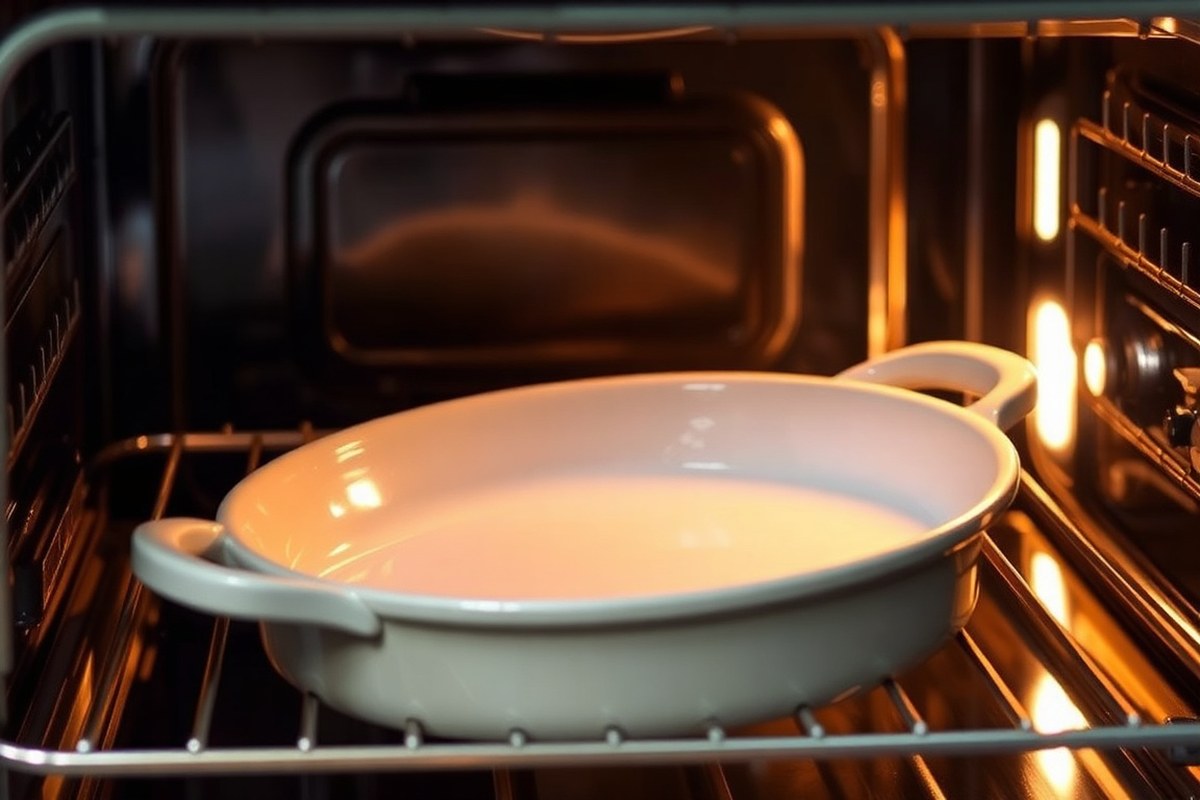
Can You Put a Ceramic Pan in the Oven? What’s Safe and What Isn’t
Many ceramic pans can be used in the oven, with most models tolerating heat up to 450°F or even higher depending on the manufacturer and material. To prevent damage, you should check the pan’s temperature limits and follow any usage guidelines provided. This information helps home cooks and kitchen enthusiasts understand which ceramic pans can safely go in the oven, how to recognize their limits, and how to protect your cookware during use.
Key Takeaways
- Check manufacturer instructions to confirm your ceramic pan’s maximum oven temperature before use.
- Most ceramic pans tolerate oven temperatures between 350°F and 450°F safely.
- Ceramic bakeware made from durable materials often tolerates oven temperatures reaching 500°F or above.
- Avoid thermal shock by never transferring a cold ceramic pan directly into a hot oven.
- Use a thin layer of cooking oil and low-temperature baking to season ceramic pans for better durability.
- Ceramic-coated nonstick pans generally have lower oven temperature limits around 450°F or less.
Can You Put a Ceramic Pan in the Oven Safely?

Use a ceramic pan in the oven only when it is marked as oven-safe and contains no plastic or wood parts. Pure ceramic pans usually withstand oven temperatures near 450°F, and some thicker-walled versions tolerate 500°F to 570°F. Ceramic-coated pans tend to have lower heat limits, commonly between 350°F and 450°F, since their coatings and handles reduce heat endurance.
Before placing your ceramic pan in the oven, first check its base, lid, or manufacturer’s manual for the exact maximum temperature rating. This step avoids exceeding the pan’s heat tolerance, which could cause cracking, crazing, or degradation of coatings. Remove any non-oven-safe components, such as plastic or wooden handles and silicone accessories, as these can melt or release odors under oven heat.
Place the pan in a preheated oven gradually rather than introducing it to sudden high heat. For example, avoid putting a cold pan directly into a fully heated oven. Instead, place it inside as the oven warms, or increase the oven temperature slowly if your recipe allows. This helps prevent thermal shock, a common cause of damage to ceramic cookware. Don’t preheat an empty ceramic pan in the oven without oil or food, as this can affect the pan’s durability.
Ceramic pans with pure ceramic bodies tend to withstand higher oven temperatures due to the material’s natural heat resistance and curing process at factory levels, often designed for baking or roasting purposes. In contrast, ceramic-coated aluminum pans or nonstick variants usually have lower limits, closer to 350°F to 450°F, as the coatings and construction materials dictate their heat endurance. Handles also affect safety; metal or ceramic handles generally tolerate oven heat well, but plastic or wooden handles are not oven-safe and should be removed or avoided.
Using a ceramic pan within these guidelines generally results in even cooking and preserves the pan’s lifespan. You’ll notice the pan maintains its finish without cracking or discoloration, and food cooks evenly without sticking excessively. Ignoring these conditions risks chipping, cracked glaze, or peeling coatings, reducing your ceramic pan’s usability and potentially creating safety hazards.
How to Identify If Your Ceramic Pan Is Oven-Safe

To identify if your ceramic pan is oven-safe, check for specific manufacturer labels, symbols, or instructions that confirm oven use. Not all ceramic pans are safe in ovens by default, so finding clear markings or consulting the product manual is essential. Features like oven-safe stamps, temperature limits, and material notes help you decide if and how to safely use the pan in your oven.
Reading Manufacturer Labels and Symbols
Look carefully at the bottom or handle of your ceramic pan for markings that indicate it is oven-safe. Manufacturers often include symbols such as a small oven icon or text like “oven-safe” alongside maximum temperature ratings. These labels tell you the highest oven temperature the pan can withstand, which commonly ranges from 350°F to 550°F for ceramic cookware.
Labels may specify important details: whether the entire pan or only parts of it are safe for oven use, and any temperature limits you must obey. Without these clear markings, avoid using the pan in the oven as you risk damaging the ceramic or causing food safety issues.
- Check the pan’s base and handle for oven-safe icons or labels
- Look for printed maximum temperature limits (e.g., “Safe up to 450°F”)
- Confirm whether the pan’s lid, if any, is also oven-safe
- Note any warnings about sudden temperature changes or broiler use
- Verify if the pan’s glaze is labeled food-safe and oven-safe
Keep in mind that some pans may appear ceramic but have handles made of plastic or wood, which are not oven-safe. Such mixed-materials pans require extra caution and manufacturer guidance.
Consulting User Manuals and Product Guides
Your ceramic pan’s packaging or user manual typically gives the most reliable information about oven safety. These resources include temperature limits, recommended cooking times for oven use, and detailed instructions on what parts can go inside the oven. You can check the manufacturer’s website by entering the model number when you no longer have the physical manual.
Manuals also explain how to avoid damage from thermal shock, rapid temperature changes that can crack ceramic. They advise on preheating the oven or not placing a cold pan in a hot oven immediately. Following these steps extends the life of your ceramic cookware and prevents costly breakage.
Consulting user guides costs nothing but saves the expense of replacing damaged pans later. It also ensures you get the full benefit of your pan’s design and features when cooking in the oven.
Avoiding Common Label Misinterpretations
Do not assume that all ceramic pans are oven-safe just because they are ceramic. Some ceramic-coated pans include metal or plastic parts with lower heat tolerances. Also, just because a pan says “microwave-safe” or “dishwasher-safe” does not mean it is safe for oven use. Oven-safety requires specific testing and labeling.
Look out for vague terms like “heat-resistant” or “high temperature” that do not state clear oven-safe certifications or maximum temperatures. Such phrases are not reliable indicators for oven use. When you find conflicting information or unclear labels, using other oven-safe cookware is safer.
Always err on the side of caution by confirming oven safety through the manufacturer’s instructions before heating your ceramic pan.
Types of Ceramic Cookware and Their Oven Safety Limits
Ceramic cookware comes in several forms, each with distinct oven safety features and temperature limits. Pure ceramic cookware, fired at very high temperatures during manufacturing, can usually tolerate oven heat above 500°F (260°C). These pans are often free of plastic or synthetic handles, which improves their heat endurance and prevents damage. Glazed ceramic cookware, which includes many ceramic plates and baking dishes, is also generally oven-safe but may have a lower maximum temperature depending on the glaze composition and manufacturer guidelines. Ceramic-coated pans have a metal base with a ceramic nonstick surface, and their oven safety depends heavily on the base material and any attached components such as plastic handles or glass lids.
Understanding these differences matters because exceeding the recommended temperature for your ceramic cookware can cause cracking, warping, or degradation of nonstick surfaces. It also helps you select the right pan for specific oven uses like roasting or baking at high heat.
| Ceramic Cookware Type | Maximum Oven Temperature | Notes |
|---|---|---|
| Standard ceramic pan | 350°F, 450°F (175°C, 230°C) | Check manufacturer packaging or markings |
| High-quality pure ceramic | Up to 500°F+ (260°C+) | No plastic or synthetic handles; fired at very high temperature |
| Ceramic-coated nonstick pans | 350°F, 500°F (175°C, 260°C) | Depends on metal base and handle materials; avoid excessive heat |
| Mixed materials (ceramic + plastic or glass parts) | Below 350°F (175°C) | Lower heat tolerance due to non-ceramic parts |
Check the handle and lid materials carefully. Even if the ceramic surface can withstand high oven temperatures, a plastic handle or glass lid may lower the overall heat limit. By following the manufacturer’s temperature recommendations, you avoid damaging the ceramic coating or causing thermal shock, which can crack or warp the pan.
Glazed ceramic cookware generally handles typical baking temperatures around 350°F to 450°F well. The glazing process adds a protective layer that can resist heat, but avoid sudden temperature changes. Pure ceramic cookware, without added coatings or parts, allows higher heat use, often preferred for dishes that require longer roasting at higher temperatures. Ceramic-coated pans excel in versatility but usually have lower max temperatures and can lose their nonstick effectiveness if overheated.
Maximum Oven Temperatures for Ceramic Pans and Why They Matter
Ceramic pans typically withstand oven temperatures ranging from 350°F to 500°F. Some high-quality ceramic bakeware can tolerate temperatures up to 550°F or slightly higher. The exact maximum temperature depends on the ceramic type, pan construction, and manufacturer guidelines. Pure ceramic pans, made entirely from fired ceramic material, can generally handle higher heat, sometimes exceeding 500°F, while ceramic-coated pans often perform best under 400°F to protect their non-stick surface.
Exceeding these temperature limits increases the risk of thermal damage. Going beyond 500°F, especially without gradually heating, might cause cracking, warping, or degradation of the pan’s surface. This happens because ceramic materials, while fired at very high temperatures during production, can develop stress when exposed to rapid or excessive heat during use. Such damage shortens the pan’s lifespan and may affect cooking performance by creating uneven heat distribution or surface imperfections.
Handles and lids often have different heat ratings than the ceramic body of the pan. Metal or silicone handles generally withstand oven heat well up to the pan’s temperature limit. However, plastic or wooden handles typically cannot tolerate oven temperatures and may melt, discolor, or warp. Oven-safe lids should be labeled as such, since glass or ceramic lids can crack if exposed to heat exceeding their rating or if faced with sudden temperature changes.
To minimize risks, place a ceramic pan in a cold oven and gradually raise the temperature to avoid thermal shock, which can cause sudden cracks. Following the manufacturer’s temperature recommendations and heating procedures helps maintain the pan’s durability and cooking quality. High-quality construction, including thicker walls and premium coatings, also contributes to better heat resistance and longevity.
While ceramic can withstand firing temperatures over 1800°F in production, everyday oven use requires more caution. Staying below recommended limits, generally no higher than 500°F, preserves the pan’s non-stick properties and structural integrity. Overheating can lead to surface wear and reduce the pan’s lifespan, so keep to the guidelines printed on product labels or manufacturer websites.
How Thermal Shock Can Damage Ceramic Cookware and How to Prevent It
Thermal shock happens when a ceramic pan faces sudden temperature changes, which can cause cracks or breakage. To protect your ceramic cookware, avoid exposing it to rapid shifts such as moving directly from the fridge to a hot oven or from the oven to cold water. Gradual temperature transitions help maintain the pan’s integrity and make your cookware last longer.
Understanding Thermal Shock and Ceramics
Ceramic materials expand and contract when heated and cooled. Thermal shock occurs when these temperature changes happen too quickly, causing stress inside the ceramic. This stress can result in cracks, warping, or complete breakage.
The critical issue is the speed of the temperature change rather than the specific temperature. For example, placing a cold ceramic pan (around 40°F or 4°C) straight into a 350°F (177°C) oven creates a temperature difference of over 300°F (about 170°C) all at once. This rapid change can cause microscopic fractures that become visible cracks or even cause the pan to shatter.
Such damage is often irreversible and reduces the pan’s oven safety. Damage to the glaze or surface may also occur, affecting the pan’s usefulness and appearance.
Safe Methods to Avoid Thermal Shock
To protect your ceramic cookware from thermal shock, use a step-by-step approach that gradually changes the temperature. This careful handling reduces stress on the material and prevents damage.
- Remove the pan from cold storage early. Let it sit at room temperature for at least 20 to 30 minutes before use to reduce the temperature gap.
- Preheat your oven gradually. Set your oven to a moderate temperature and increase heat slowly if your recipe allows, avoiding sudden temperature jumps.
- Place the ceramic pan into the oven only after reaching the desired temperature. Don’t put a cold ceramic pan in a hot oven or a hot pan into an oven still preheating.
- Avoid washing a hot ceramic pan with cold water. Let it cool to room temperature naturally before cleaning to prevent cracking from cold water contact.
- Use a heat-resistant trivet or pad when removing the pan from the oven. Avoid placing the hot pan directly on cold countertops or metal racks to prevent rapid cooling.
- Allow the ceramic pan to cool gradually after use. Don’t transfer the hot pan directly into the fridge or freezer; instead, wait until it reaches room temperature.
Never put a cold ceramic pan directly into a hot oven or plunge a hot ceramic pan into cold water; both actions can cause immediate thermal shock and damage.
What to Do If You Suspect Thermal Shock Damage
If your ceramic pan shows signs of cracks, chips, or warping, stop using it for high-heat cooking to avoid further damage or safety hazards. Small cracks might not seem serious at first but can worsen under continued heat stress.
Evaluate your pan carefully for hairline cracks, chips along the edge, or unusual warping. These defects may make the pan unsafe for oven use as they increase the risk of shattering.
Consider replacing severely damaged ceramic cookware. Using cracked ceramic in the oven can lead to breakage and potential burns or injury.
Practical Tips to Use Ceramic Pans in the Oven Without Damage
You can protect your ceramic pan and get the most out of oven cooking by properly seasoning it, caring for the handles and lids, and applying the right placement and timing in the oven. These steps reduce the risk of cracks, handle damage, and temperature stress, keeping your pan safe for longer.
Seasoning Ceramic Cookware for Better Durability
Seasoning a ceramic pan before using it in the oven helps build a protective layer that reduces sticking and strengthens the surface against heat. Although ceramic cookware usually comes with a naturally slick finish, a light seasoning can add extra resilience over time. To season your ceramic pan for oven use, follow these steps:
- Start with a clean, dry pan, wash with mild soap and warm water, then dry thoroughly.
- Apply a thin layer of cooking oil, such as vegetable or canola oil, all over the interior surface.
- Place the pan upside down in a cold oven to avoid sudden temperature changes.
- Heat the oven to around 350°F (175°C) and bake the pan for 30 minutes.
- Turn off the oven and allow the pan to cool completely inside before removing.
This process can be repeated every few months if you use your ceramic pan frequently in the oven. Proper seasoning lowers the chance of food sticking and helps maintain the glaze integrity under heat stress.
Choosing and Caring for Handles and Lids
The composition of handles and lids affects whether your ceramic pan can safely go into the oven. Metal handles and lids usually tolerate oven temperatures well, but plastic or wooden components do not withstand heat above 200°F (93°C) and should be kept out of the oven.
For pans with silicone handles, verify the manufacturer’s specifications because some silicones withstand temperatures up to 400°F (204°C), while cheaper rubber or plastic handles may melt or warp at much lower temperatures. Always follow instructions to avoid damage or fire hazards.
Lids, especially those made of glass or ceramic, typically reduce the maximum safe oven temperature by about 40°F (4°C) compared to the pan alone. Many warranties specify removing lids if baking at higher temperatures to prevent cracks from trapped steam or thermal expansion.
- Check for plastic or wood on handles before oven use; if present, do not place the pan in the oven.
- Verify oven-safety ratings for silicone handles with your pan’s documentation.
- Use metal lids in the oven whenever possible to maintain higher temperature limits.
- Remove lids during prolonged baking or high-heat roasting to avoid stress damage.
- Replace damaged or loose handles promptly to prevent accidents or burning hazards.
Best Practices for Oven Placement and Cooking
Placing your ceramic pan carefully inside the oven can reduce thermal shock and avoid warping. Always put the pan in a cold oven and allow it to heat gradually with the oven rather than placing a cold pan into a preheated oven. Avoid sudden temperature changes, which cause cracks in ceramic.
Position the pan on the middle rack for even heat exposure, steering clear of direct contact with heating elements or broiler units. Heating too close to the bottom or top of the oven can overexpose the pan to intense heat, which may exceed its rated temperature and damage the glaze or handle attachment points.
During cooking, avoid rapid cooling. Let the pan cool inside the oven by turning off the heat and leaving the door ajar instead of transferring it immediately to a cold countertop or sink. This approach reduces the risk of thermal shock dramatically.
Common Mistakes When Using Ceramic Pans in Ovens and How to Fix Them
One of the most common mistakes when using ceramic pans in the oven is overheating. Ceramic coatings generally withstand up to 450°F (232°C); exceeding this can cause discoloration or surface damage. Always check your pan’s label for its specific temperature limit to avoid this issue. Exceeding the heat limit can cause glazing to crack or the pan to warp, which reduces its lifespan and effectiveness.
Ignoring temperature limits leads to cracks or crazing in the ceramic surface. These cracks are more than cosmetic; they can harbor bacteria and compromise the pan’s integrity. Avoid using the pan above the recommended temperature, and avoid placing it under a broiler, which often reaches higher temperatures abruptly.
Rapid temperature changes are another frequent problem. Ceramic pans can crack if moved directly from the oven to a cold surface or filled with cold liquid right after baking. This thermal shock causes stress that the ceramic can’t handle. Always allow your pan to cool gradually on a trivet or rack at room temperature to prevent this kind of damage.
Improper cleaning methods can also damage ceramic pans. Avoid using harsh scouring pads or abrasive cleaners, which can strip the glaze and expose the ceramic beneath. Instead, clean with a soft sponge and mild detergent. If food is stuck, soak the pan in warm water before washing. Avoid sudden temperature changes during cleaning, such as rinsing a hot pan with cold water. This prevents small cracks and glazing damage.
- Keep oven temperature below 450°F for ceramic pans.
- Check manufacturer instructions for specific temperature limits.
- Allow pan to cool gradually before cleaning or exposing to cold liquids.
- Use gentle cleaning methods with mild soap and soft sponges.
- Avoid broilers and direct flame contact with ceramic pans.
- Inspect for chips or cracks regularly; stop use if the ceramic is compromised.
Small surface chips or fine cracks in the ceramic glaze can sometimes be ignored if they don’t penetrate deeply, but use caution. Damaged ceramic pans might leak liquids or worsen under heat stress. These pans are harder to sanitize and more prone to unexpected breaking. There are no reliable DIY fixes for cracks or chips in ceramic cookware, so the safest action is to replace the pan to avoid health risks or kitchen accidents.
Replacing a ceramic pan depends on your budget and how often you cook with it. A good-quality ceramic pan can cost between $30 to $100. Using it within the recommended heat limits and handling it carefully helps extend its life and maintain safety. Ignoring these precautions often leads to damage that makes replacement necessary much sooner.
Comparing Ceramic Cookware to Other Oven-Safe Materials
Ceramic pans generally offer good oven safety but compare differently to stainless steel, cast iron, and nonstick cookware when it comes to heat tolerance and specific cooking uses. Cast iron and stainless steel excel in high-heat environments such as roasting or broiling, often handling temperatures well above 500°F. Ceramic pans, while providing excellent even heat distribution, usually have lower oven temperature limits, frequently maxing out around 400, 450°F depending on the brand and coating.
Stainless steel pans are favored for their resilience and high temperature resistance, with some professional-grade clad versions rated oven-safe up to 800°F. Cast iron pans tolerate extreme heat, with many able to withstand up to 900°F, making them ideal for searing and broiling tasks that require sustained high heat. In contrast, ceramic coatings and many nonstick surfaces typically restrict oven use to below 500°F to avoid coating degradation or damage.
The choice between these options depends on your cooking method and heat requirements. For fast, high-heat roasting, stainless steel or cast iron is best. Ceramic pans suit baking or roasting at moderate temperatures, benefiting from their nonstick properties and even heating, but are less durable under intense heat or broiling. Nonstick coatings on stainless steel usually lower their oven safe temperature compared to bare metal, often around 400, 500°F.
| Cookware Material | Oven Safety Temp Range | Heat Tolerance | Typical Uses |
|---|---|---|---|
| Stainless Steel (bare) | 450, 800°F | High | Roasting, baking, broiling |
| Stainless Steel (nonstick coated) | 400, 500°F | Moderate to high | Baking, moderate roasting |
| Cast Iron | Up to 900°F | Very high | Searing, broiling, roasting |
| Ceramic | 350, 450°F | Moderate | Baking, roasting at moderate temps |
| Nonstick (Teflon/ceramic coatings) | 230, 500°F | Low to moderate | Low-temp baking, light roasting |
| Handle Material (common) | Varies (see below) | Varies | Affects overall oven safety |
| Silicone Handles | 350, 400°F max | Low | Limit oven use accordingly |
Handles often determine the true oven safety of a pan. Wooden or bakelite handles lower oven limits to below 350°F, while stainless steel and cast iron handles stay safe at very high temperatures. Silicone handles can tolerate moderate oven heat but require care to avoid melting. Always check cookware markings or manufacturer recommendations for handle limitations since overheating the handle can lead to damage even if the pan body is oven-safe.
Avoid broiling with ceramic or nonstick pans since their coatings can break down above about 500°F, potentially releasing fumes or damaging the surface.
Stainless steel and cast iron pans provide the most flexibility for high-heat oven applications, particularly searing and broiling. Ceramic pans perform well in moderate heat but require attention to their coating’s oven rating to prevent damage. Nonstick coatings add convenience for easy cleaning but reduce maximum oven temperature capability, limiting their use in very hot recipes.
Step-by-Step Action Plan for Using Ceramic Pans in the Oven
Follow these steps to use your ceramic pan in the oven safely and get the best cooking results without damage.
- Before You Start: Check the manufacturer’s label or manual for the oven-safe temperature limit of your ceramic pan. Confirm it can handle your intended cooking temperature.
- Preheat Oven: Heat your oven to the recommended temperature gradually to avoid sudden temperature changes. This prevents thermal shock to your ceramic pan.
- After Preheating: Place the ceramic pan in the oven using oven mitts or heat-resistant gloves. Make sure the pan is dry and at room temperature before inserting it.
- During Cooking: Avoid placing the hot ceramic pan directly on cold or wet surfaces after removing it from the oven. Use a wooden or silicone trivet to protect the pan.
- After Cooking: Let the ceramic pan cool down gradually at room temperature. Do not run cold water over it immediately, which can cause cracking.
- Weekly Care: Inspect your ceramic pan for any chips or cracks before oven use. Discontinue oven use if you notice any damage to maintain safety.
- Ongoing Use: Follow seasoning or cleaning instructions suitable for ceramic cookware to maintain its surface and oven-safe properties.
Frequently Asked Questions
Can You Put a Ceramic Pan in the Oven Without a Lid?
You can safely place a ceramic pan in the oven without using a lid, as long as the pan is designed for oven use. Avoid sudden shifts in temperature to keep the pan from cracking.
How Do Ceramic Pans React to Broiler Heat in the Oven?
Most ceramic pans are not safe under broiler heat because it exceeds their maximum temperature and can cause damage. Always check manufacturer guidelines before using a broiler.
Does the Handle Material Affect Whether a Ceramic Pan Can Go in the Oven?
Yes, handles made of plastic or wood are not oven-safe and can melt or burn. Metal handles are usually safe, but verify with product details first.
Can Ceramic Pans Be Used in Toaster Ovens?
Only if the ceramic pan is labeled toaster oven-safe. Toaster ovens often have uneven heat, increasing the risk of thermal shock.
Is It Safe to Use Ceramic Pans in a Convection Oven at High Heat?
Yes, you can use a ceramic pan in a convection oven if it’s oven-safe, but stay within the recommended temperature to avoid stress from rapid heat circulation.
How Should You Clean a Ceramic Pan After Using It in the Oven?
Let the pan cool gradually before washing with a soft sponge and mild detergent to prevent thermal shock and maintain the ceramic finish.
Key Points to Remember
Using ceramic pans in the oven can be safe if you respect the temperature limits and avoid rapid temperature changes. Start by confirming your pan’s oven-safe status and take care with handling to prevent damage. The next step is to try baking something simple at a moderate temperature to build confidence while protecting your cookware.
5 Comments